Who Builds Your Automatic Candle Filling Machine?
Most of our core machines are made in our own factory. Your quotation names who builds this model, what is automated and what is not.
Every automatic candle filling machine promises to save labor, but the word covers very different setups. Ours dose automatically while you load jars, and a conveyor-fed line is quoted per project.
Request a QuoteView Photos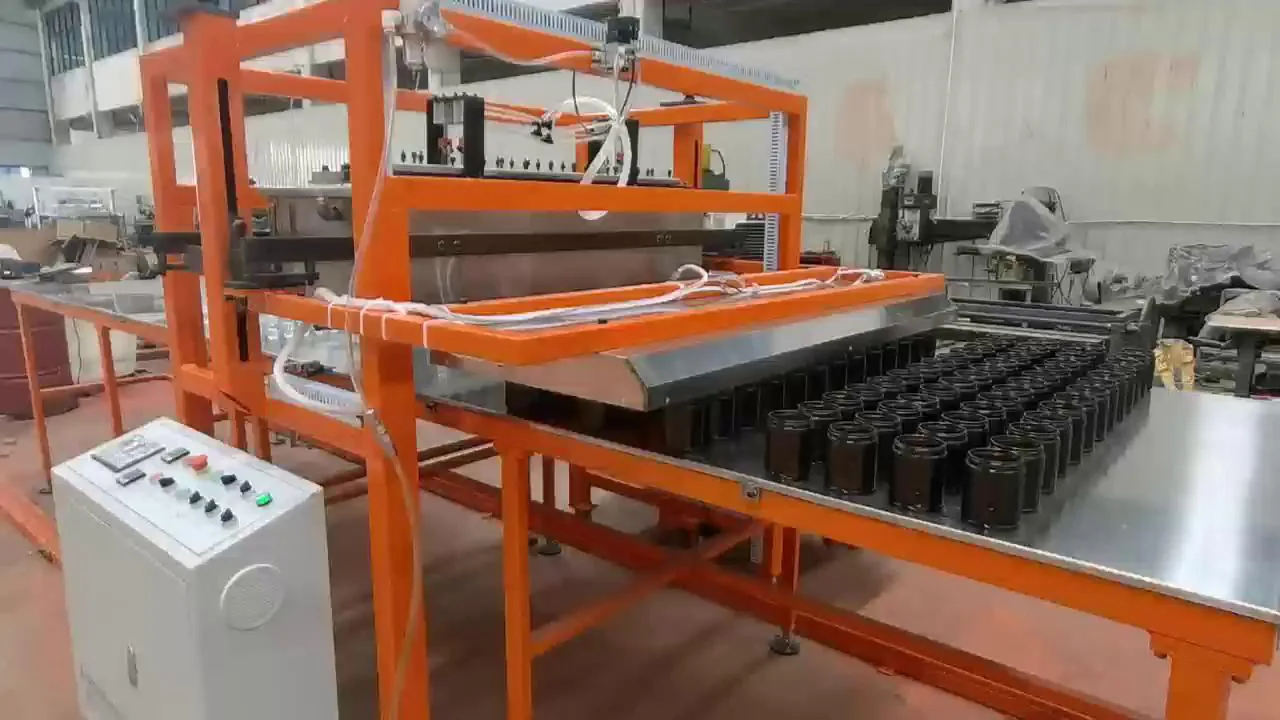
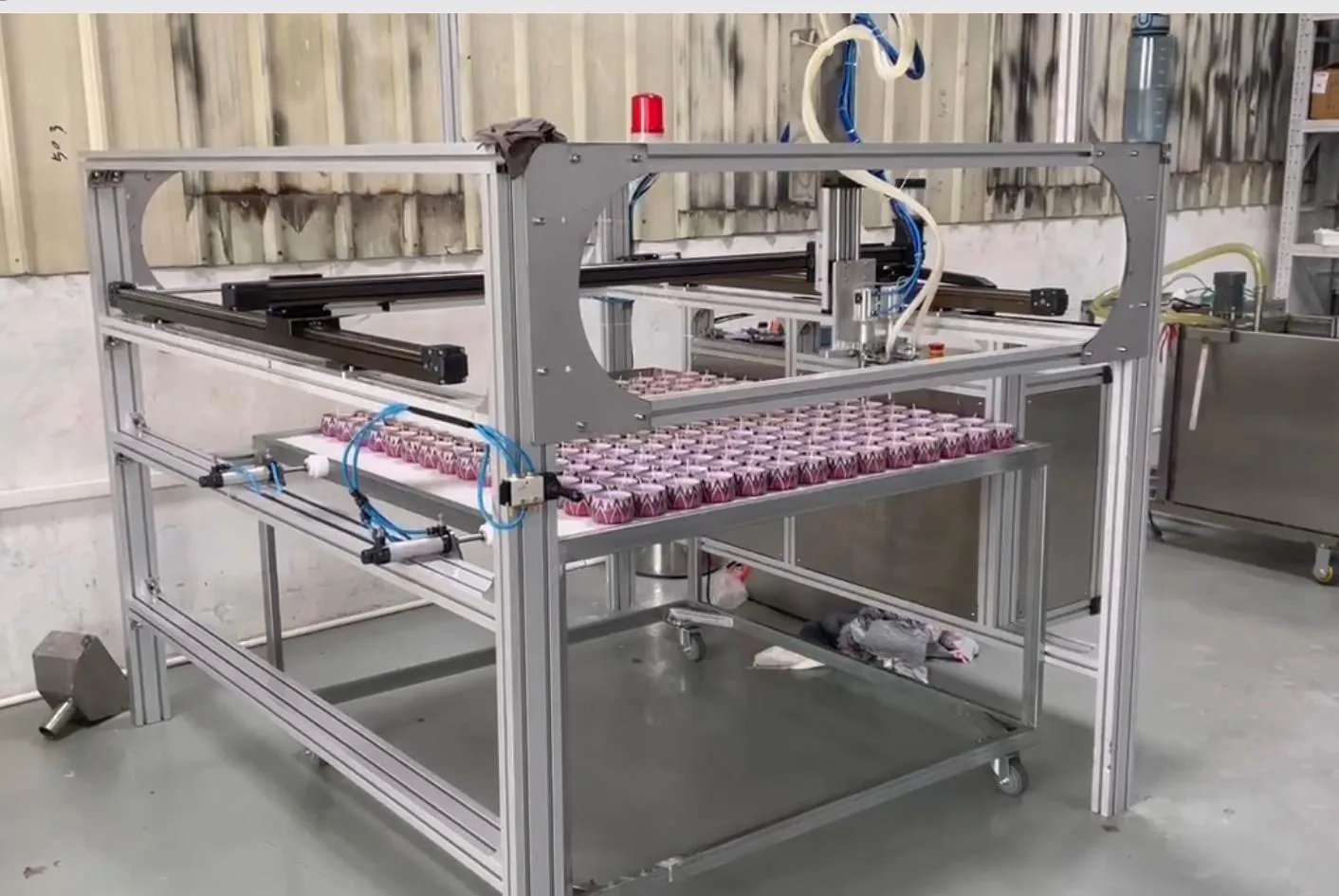
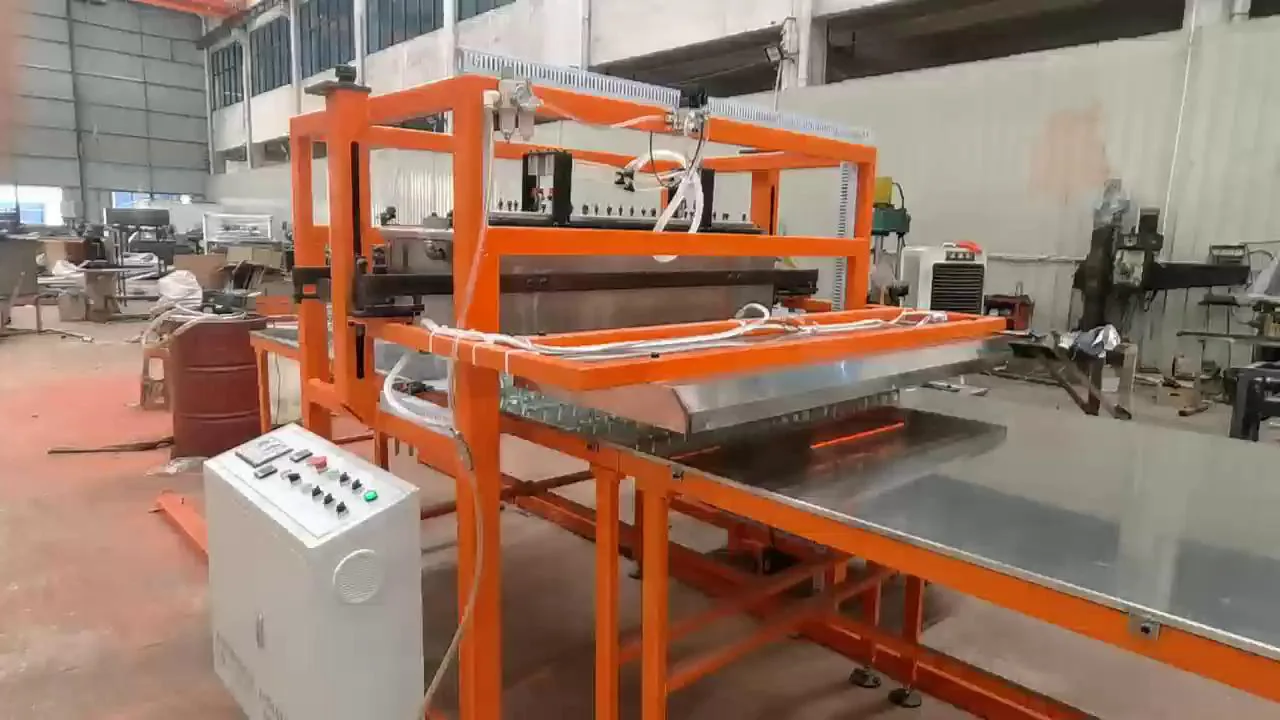
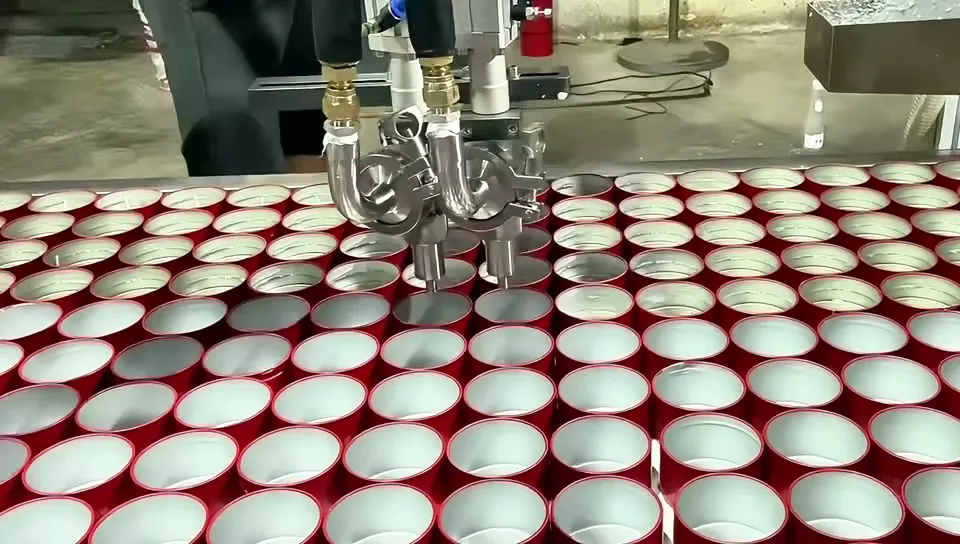
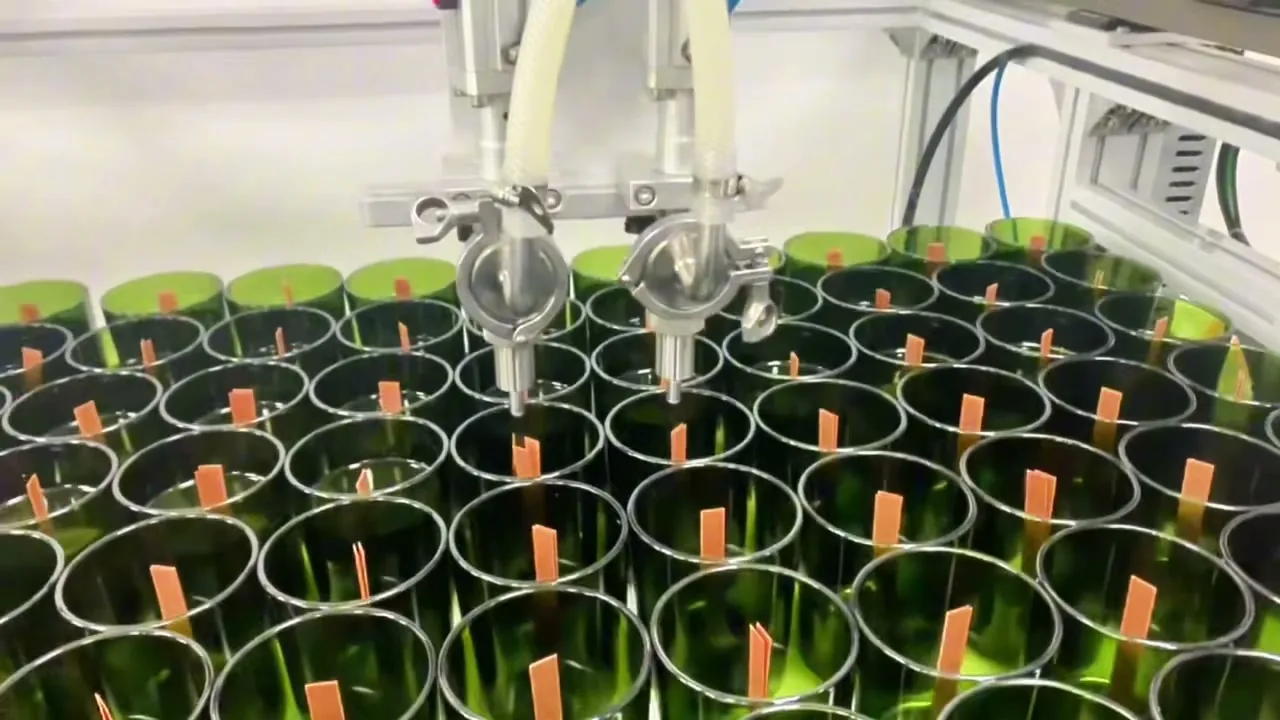
Buyers use “automatic” for very different things. On our XY-gantry filler, the heads move over a tray and dose each jar on their own, but a person places the jars and slides the tray in and out. The row-fill machine fills a whole row at once from a heated tank. Both save hand-pouring; neither moves jars by conveyor.
A fully automatic line adds a jar feeder, a wick-setting step and a conveyor between stations. We quote that by project, because it depends on your jar, your wick and your floor. Work out how much automation you need before you ask for a quote.
Discuss Your ApplicationSend a sample, a container or a photo of what you make. We reply with the machine we would look at first, and what we still need to confirm.
Request a Quote
These four questions set the right level.
Most of our core machines are made in our own factory. Your quotation names who builds this model, what is automated and what is not.
List who loads, fills, moves and unloads jars today. Automation pays when it removes a whole position, not a few minutes.
A conveyor line suits few jar sizes. Many sizes favor a tray machine that changes over quickly.
Filling is one step. Wicks, cooling, labeling and boxing decide the real output of a line.
Send your jars per day and your current steps. We say whether a semi-automatic filler is enough or a line is worth quoting.
The levels of automation and the XY filler figures. Conveyor lines are specified per project.
Compare what the machine does and what a person still does.
| Task | XY-Gantry Filler | Row-Fill Machine | Conveyor Line |
|---|---|---|---|
| Jar loading | Operator, onto a tray | Operator, along the table | Feeder |
| Wax dosing | Automatic | Automatic by nozzle row | Automatic |
| Jar movement | Tray pushed by hand | Operator or table | Conveyor |
| Unloading | Operator | Operator | Conveyor to next station |
| Typical use | Mixed jar sizes | Long runs of one container | High, steady volume |
The model we can describe in the most detail. Overall size is confirmed in the quotation.
| Parameter | XY-Gantry Model |
|---|---|
| Containers | Jars and tins, 40–100 mm diameter, 20–100 mm high |
| Heating | Up to 100 °C |
| Fill accuracy | ±1% |
| Speed | 40–60 jars/min depending on fill volume |
| Power | 220 V AC, 50–60 Hz, 2,000 W; 0.5 MPa air |
| Size | Confirmed in the quotation |
What a conveyor-fed line is made of.
| Station | What We Check |
|---|---|
| Jar infeed | Jar diameter, height, base shape and how they stand on a belt. |
| Wick placement | Wick and holder type, and whether wicks go in before or after filling. |
| Filler | Nozzle count and layout for your jar spacing. |
| Cooling | Belt length for your wax set time. |
| Exit | Labeling, lid or boxing after cooling. |
Agree acceptance before the line is built.
| Parameter | What We Check |
|---|---|
| Fill weight | Weigh a batch of filled jars with your wax. |
| Handling | Run empty and full jars and watch for tipping or jams. |
| Wick position | Check wicks stay centered through filling. |
| Continuous run | Agree a run length and a stop count that counts as a pass. |
The slowest station sets the output.
| Parameter | What We Check |
|---|---|
| Filler speed | 40–60 jars/min for the XY model, depending on fill volume. Ask for a figure for your jar. |
| Cooling | Wax set time may set the line length more than machine speed does. |
| Staffing | Count people at each station before and after automation. |
The trade-off between a tray filler, a row-fill machine and a conveyor line.
| This EquipmentXY-Gantry Filler | Row-Fill Machine | Conveyor Line | Hand Pouring | |
|---|---|---|---|---|
| Investment | Single machine | Single machine plus tank | Several machines and conveyors | Pots and pitchers |
| Jar changes | Quick: new tray layout | Slower: nozzle spacing | Slow: guides and feeder | Instant |
| Operators | One loads, one unloads | One or two | Fewer, at checks | One per pour |
| Best for | Mixed jars | Long runs | Steady high volume | Samples |
| Check first | Tray handling | Nozzle spacing | Jar stability on belt | Fill consistency |
Four ways to automate candle filling.
The XY filler doses each jar on its own while you keep full control of jar size and tray layout.
Discuss This Application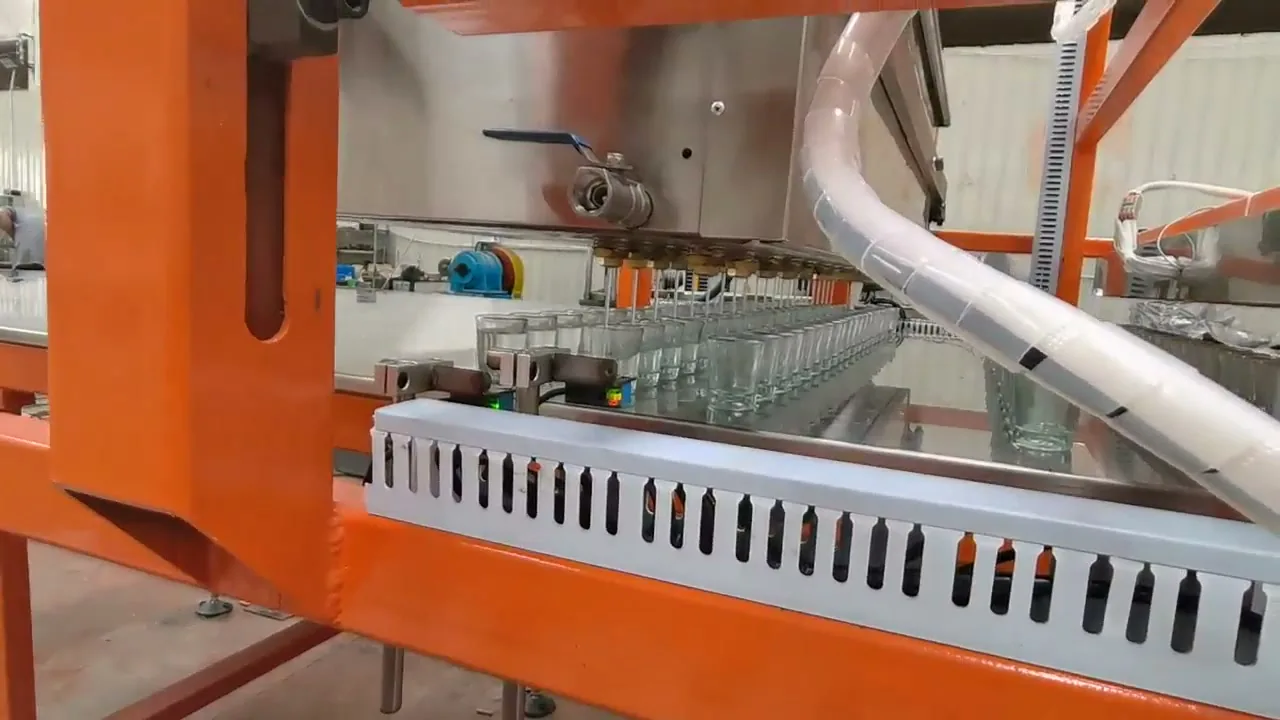
A 13- or 19-hole nozzle bar suits long runs. Check that nozzle spacing matches your jar spacing.
Discuss This ApplicationThe row-fill table is 1,200 mm wide and up to 12 m long. Measure your floor first.
Discuss This Application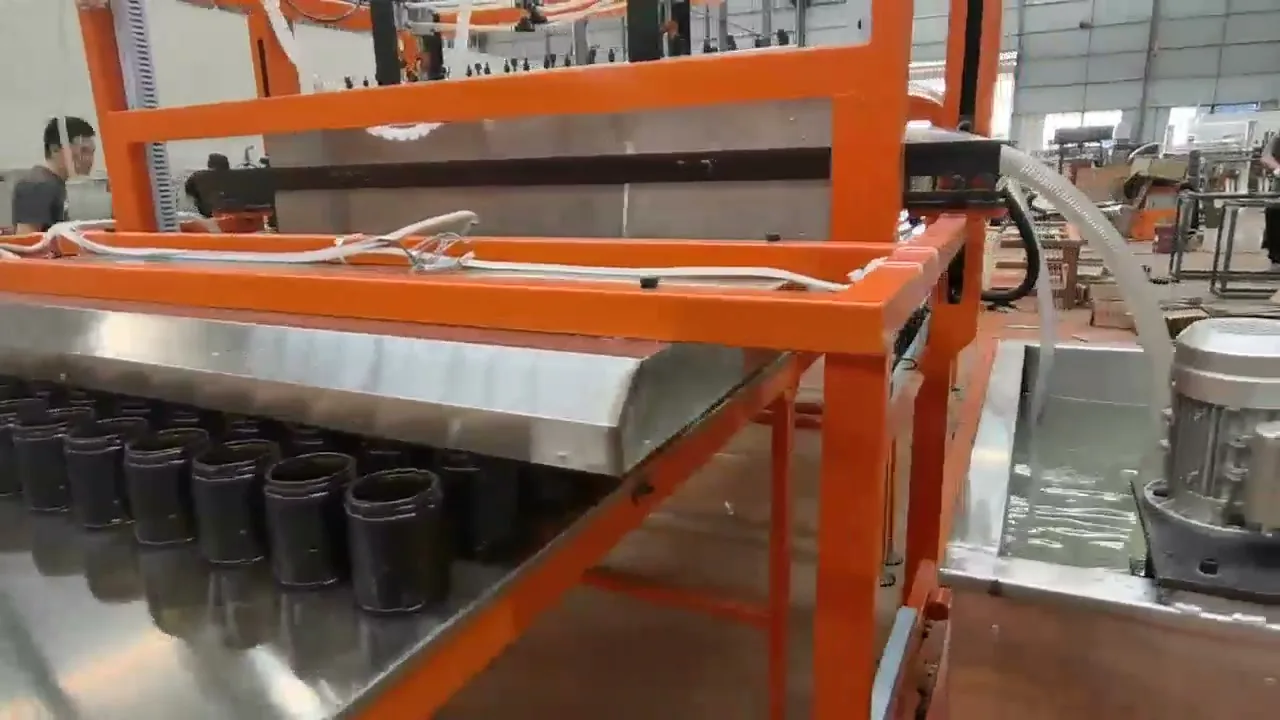
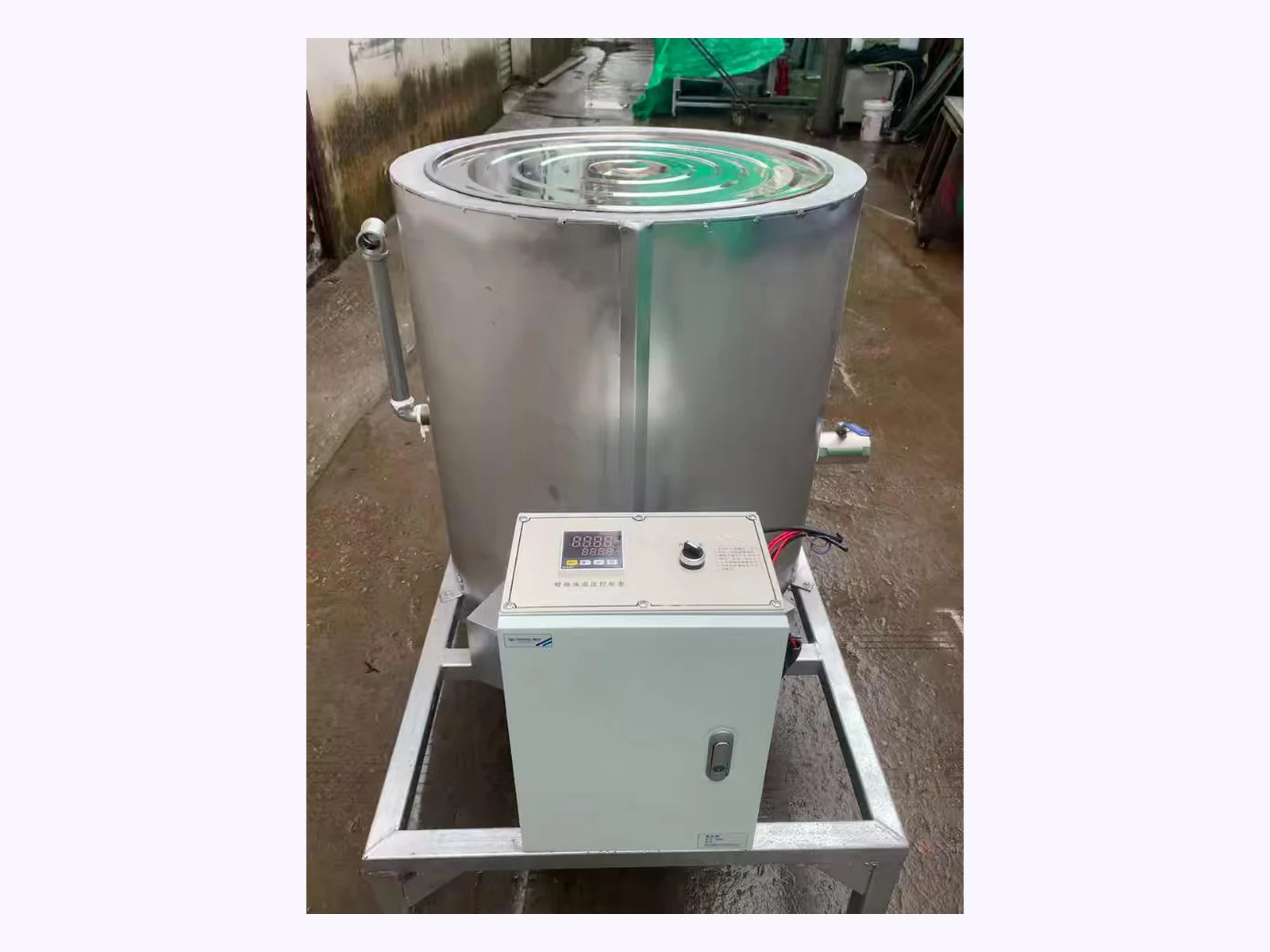
The row-fill model includes a heated holding pot. Plan where the melter stands.
Discuss This ApplicationWhat can go wrong when you choose automation too fast.
Write the test method, the pass criteria and what ships with the machine into the quotation.
Discuss Acceptance CriteriaWith these details we can say whether a semi-automatic filler or a line fits.
Have another material or format?
Share your requirements.
Send your jars, wax and jars per shift.
We say whether a tray filler, row-fill or line fits.
Agree a sample run and how handling will be judged.
Review the price, the automatic candle filling machine configuration and terms.
Run the checks you agreed on the automatic candle filling machine, then pack and ship.
Our standard machines are semi-automatic: an operator loads the jars. Conveyor-fed lines are quoted by project. Send your jars, wax and volume and we tell you what we would build.
Usually yes. At that volume, loading, cooling and unloading matter more than the filler. Count those steps before you add automation.
No. On the XY model you place jars on a tray and slide it in. A feeder is part of a line, which we quote separately.
The XY filler moves heads over jars and changes tray layout quickly. The row-fill machine fills a whole row at once and suits long runs of one container.
Jar drawings, wick details, wax data, jars per day, floor plan and supply voltage. Photos of your current setup help.
Tell us the jar and the volume first. Add the rest when you have it.
Send the jar size, wax and jars per shift. We reply with the level of automation we recommend.
Get a Quote