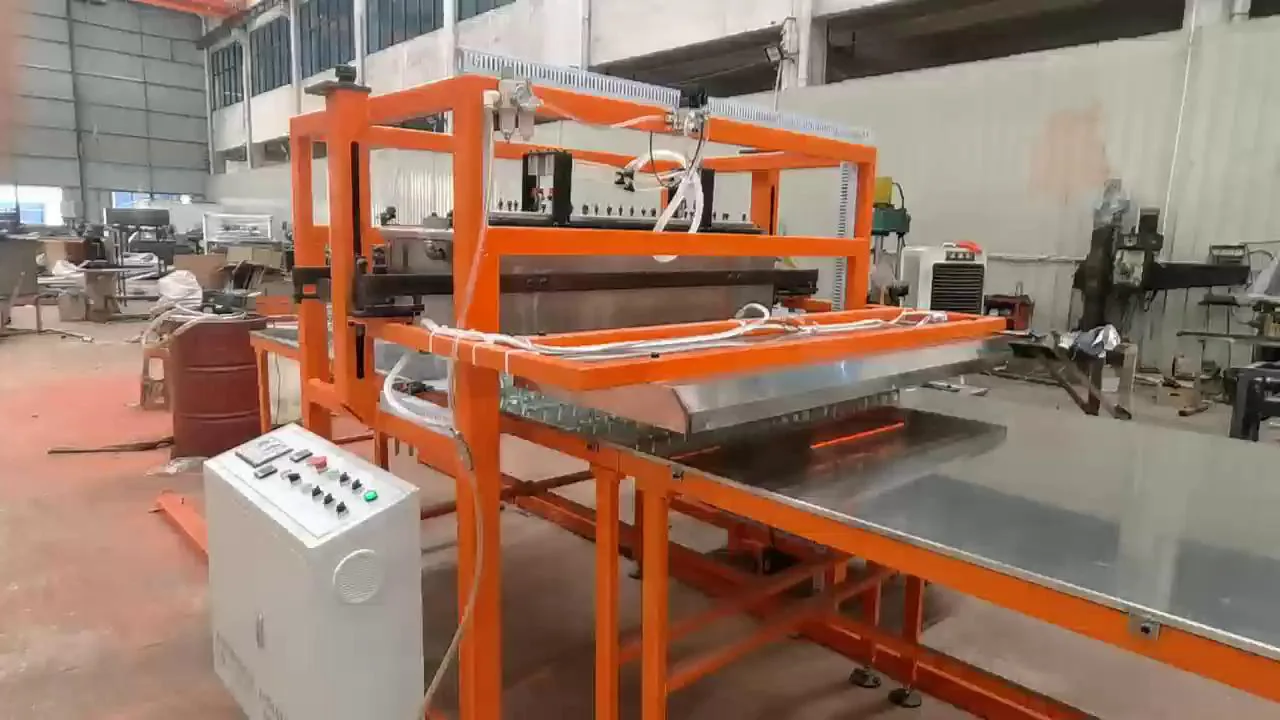
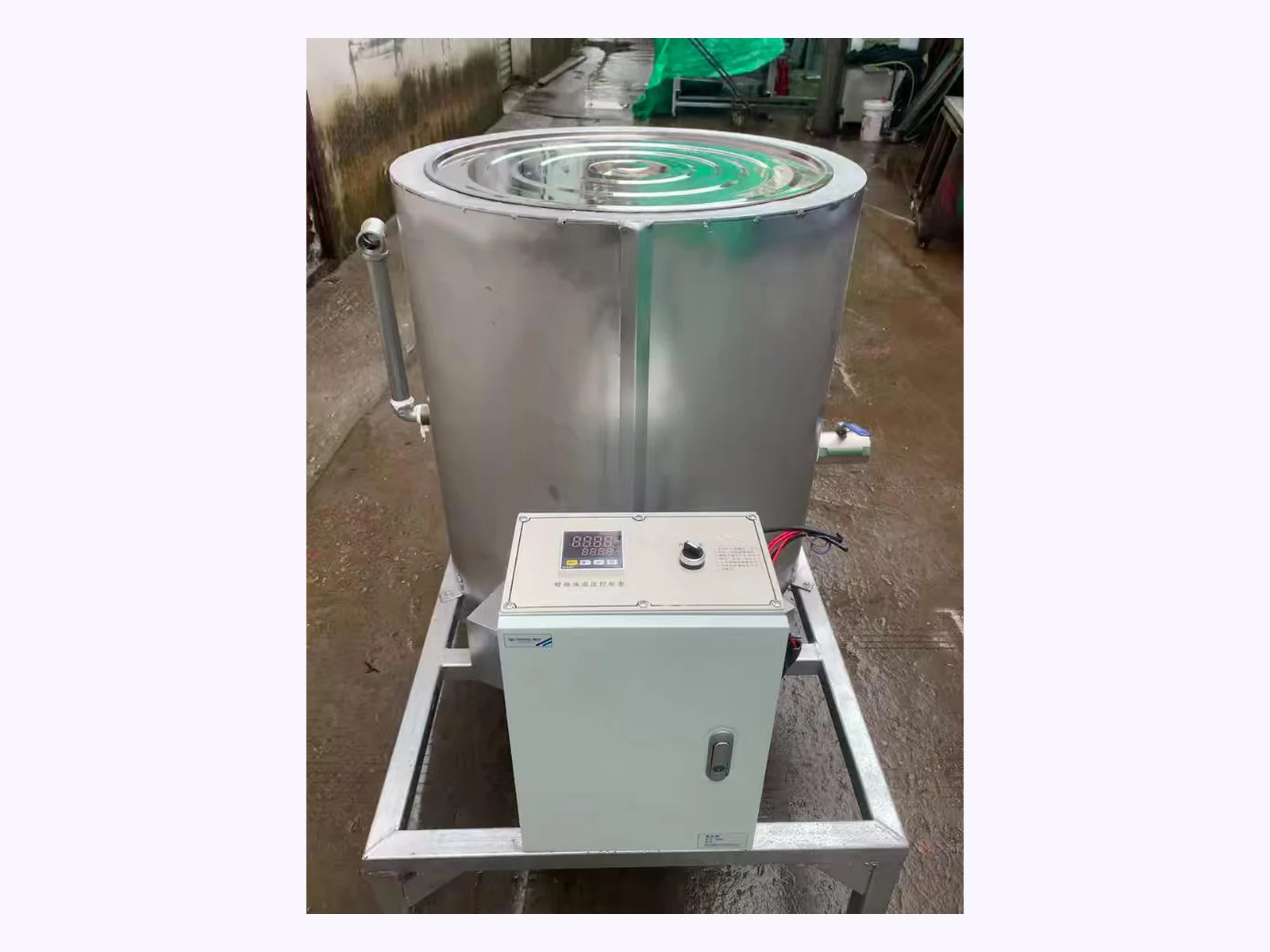
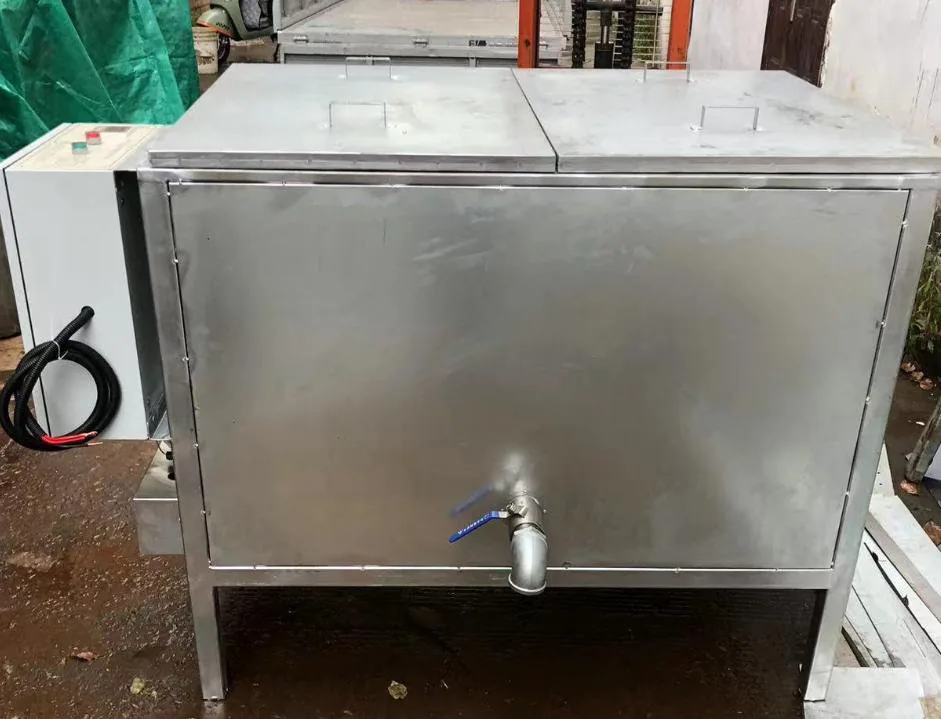
Built in Our Own Factory
We make most of our core machines in our own factory. Your quotation names the model and what is tested before shipment.
Hand-pouring is slow, and no two jars come out the same. Our candle filling machines dose each jar for you, from an XY gantry or a 13- or 19-nozzle row, into glass jars, tins and aluminum cups.
Request a Quote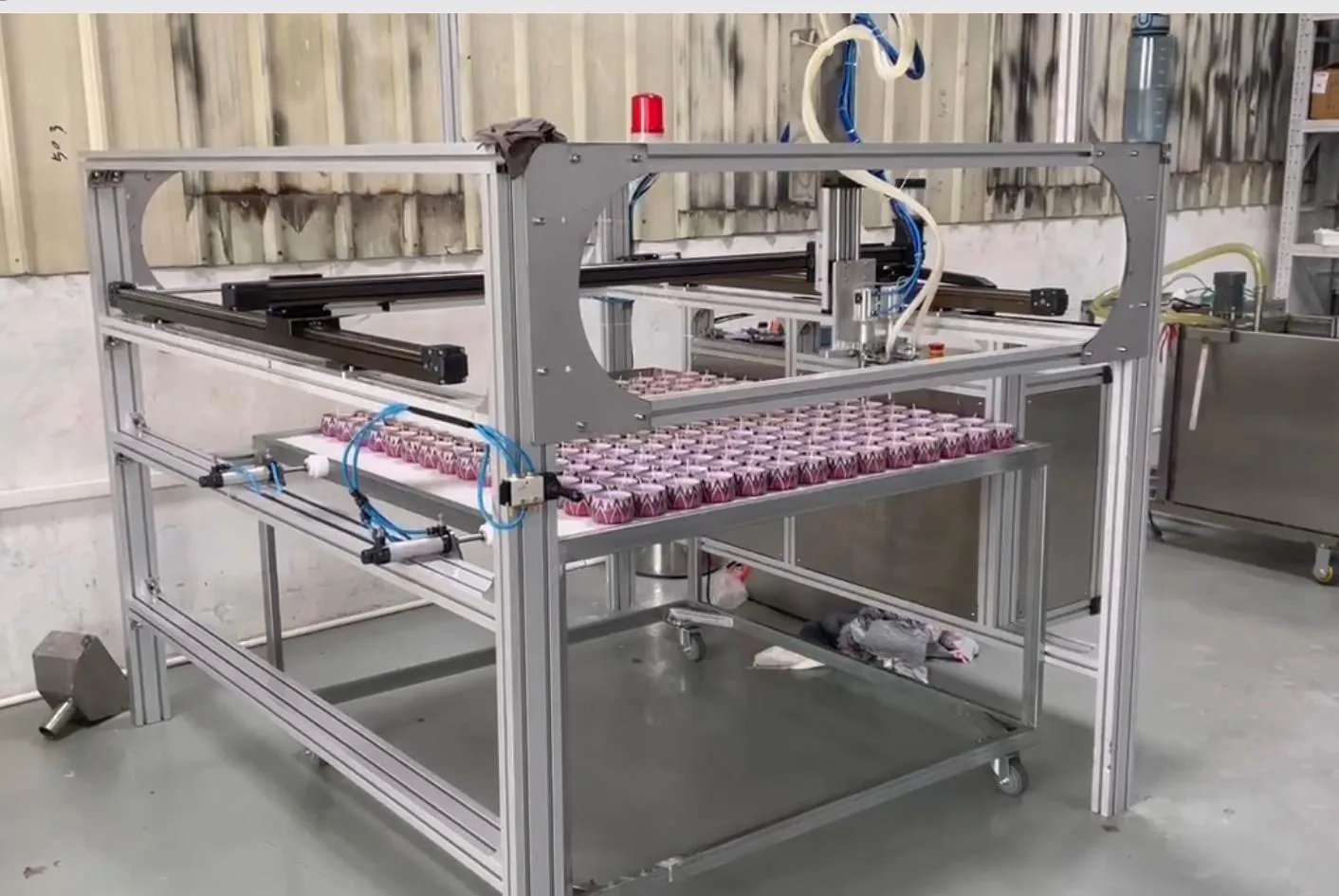
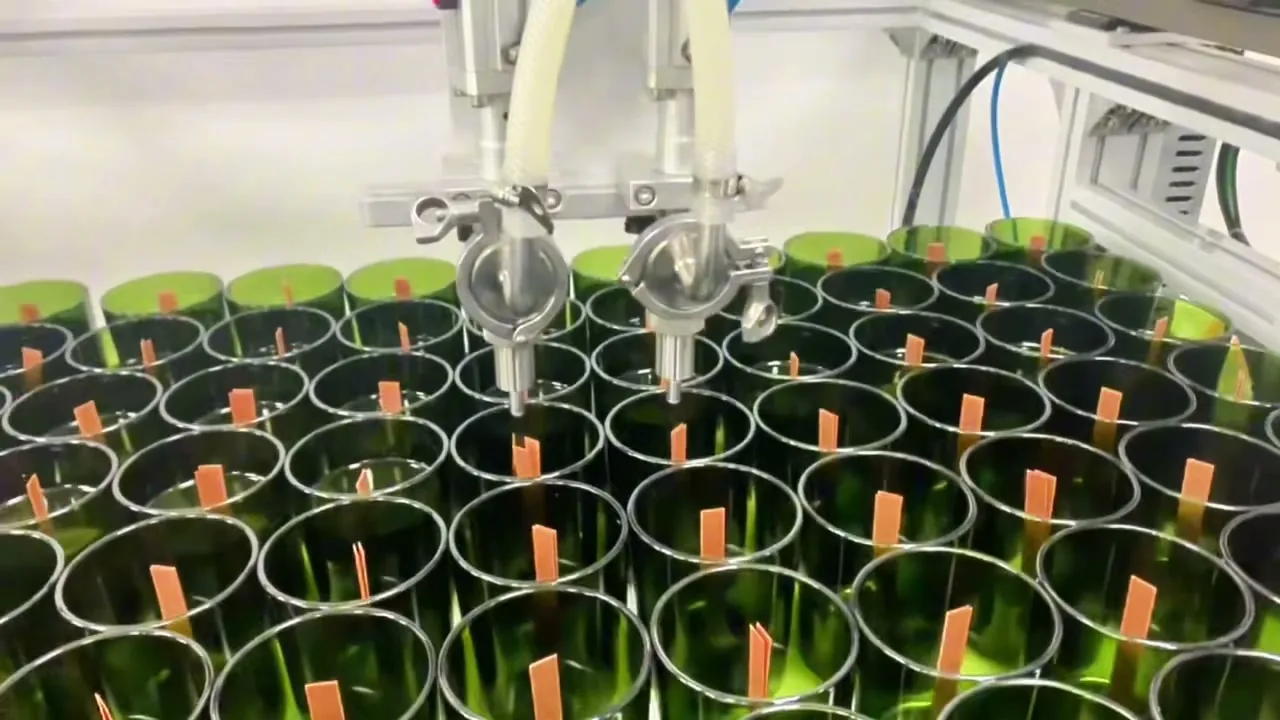
These machines pour molten wax into jars, tins and aluminum cups while the containers stay in place. On the XY-gantry model, the filling heads travel over a tray of jars. On the row-fill model, a bar of 13 or 19 nozzles fills a whole row at a time.
Both are filling stations only. Jars and wicks are set up before filling, and the wax comes from a melter or a heated tank. Tell us your jar size and daily volume, and we will point you to the right one.
Discuss Your ApplicationWhat to weigh before you request a quote.
We make most of our core machines in our own factory. Your quotation names the model and what is tested before shipment.
On the XY model the filling heads move and the jars do not, so wicked jars are not shifted while the wax is liquid.
The machine heats up to 100 °C. Send your wax’s pour temperature so we can confirm it fits your blend.
Load one tray while another fills or cools, then push a cooled tray back in for a second pour.
Send jar drawings or photos and your wax data. We recommend a model, then state speed and fill accuracy for your jars in the quotation.
The two machine types side by side. Final speed, accuracy and size are stated in your quotation.
Two machine types cover most candle filling jobs. Compare them side by side.
| Parameter | XY-Gantry Model | Row-Fill Model |
|---|---|---|
| Filling method | Heads move over a tray of jars | Nozzle bar with 13 or 19 holes |
| Containers | Jars and tins, 40–100 mm diameter, 20–100 mm high | Aluminum cups up to large jars (about 3-hour to 30-day candles) |
| Material | Molten candle wax, wax oil and other free-flowing liquids or pastes | Molten candle wax from a heated holding pot |
| Heating | Up to 100 °C | Heated holding pot with 4 m double track |
| Fill accuracy | ±1% | Confirmed per container |
| Speed | 40–60 jars/min, depending on fill volume | Quoted from nozzle count and fill volume |
| Power | 220 V AC, 50–60 Hz, 2,000 W; 0.5 MPa air | 380 V three-phase, 50 Hz, about 10 kW |
| Size | Confirmed in the quotation | Filler 2,800 × 1,000 × 1,800 mm; table 1,200 mm wide, up to 12 m long |
These details decide nozzle size, heating and tray layout.
| Parameter | What We Check |
|---|---|
| Jar diameter | The standard XY model takes 40–100 mm. For larger jars, send drawings and we confirm. |
| Jar height | 20–100 mm on the standard model. Taller jars: send a drawing and we confirm. |
| Wick position | The nozzle must reach the jar beside the wick without touching the wick or its holder. |
| Wax and additives | Blend, fragrance load, dye and pour temperature. The machine heats up to 100 °C. |
| Fill weight | Target weight per jar and the variation you will accept. |
Settle these before you order so the machine can run on day one.
| Parameter | What We Check |
|---|---|
| Electrical | XY model: 220 V AC, 50–60 Hz, 2,000 W. Row-fill model: 380 V three-phase, 50 Hz, about 10 kW. Tell us your site supply. |
| Compressed air | The XY model needs 0.5 MPa. |
| Floor space | XY model: footprint confirmed in the quotation; leave room for spare trays. Row-fill model: 2.8 × 1.0 m filler plus the table. |
| Wax supply | The XY model does not include a melter. The row-fill model comes with a heated holding pot. |
| Weight | The XY model weighs about 200 kg. Plan forklift access. |
Agree the test method before you order, so both sides measure the same thing.
| Parameter | What We Check |
|---|---|
| Fill accuracy | ±1% on the XY model. The quotation states the test method for your jars. |
| Weight check | Weigh a batch of filled jars with your wax and compare it with the target. |
| Visual check | Look for drips on the rim, wick position and the surface after cooling. |
| Second pour | The XY model’s tray can go back in after cooling. Test whether your wax needs it. |
| Records | Agree which test records or video ship with the machine. |
Fill speed is only one part of the cycle.
| Parameter | What We Check |
|---|---|
| Machine speed | Stated in the quotation for your jar size and fill volume. |
| Real output | Loading, cooling and tray swaps set the pace as much as fill speed does. |
| Row-fill output | Depends on nozzle count (13 or 19) and fill volume. |
| Shift target | Give us jars per shift and we check it against tray size and cooling time. |
Compare both filling machines with hand pouring. A wax melter feeds either machine but does not fill jars.
| This EquipmentXY-Gantry Filler | Row-Fill Machine | Hand Pouring | Wax Melter | |
|---|---|---|---|---|
| Process | Heads move over a tray of jars | A nozzle bar fills a row of containers | An operator pours from a pot or pitcher | Melts and holds the wax |
| Best for | Jars 40–100 mm wide, changing often | Long runs of one container size | Samples and pilot batches | Feeding any filling method |
| Wax supply | From your melter or tank | Heated holding pot included | Melting pot on a heater | Heats and holds the wax |
| Operator task | Load trays, start, swap trays | Set up containers, start the fill | Pour and top up each jar | Load wax and set the temperature |
| Check first | Nozzle clearance beside the wick | Nozzle spacing against container spacing | Fill weight from jar to jar | Capacity against daily wax use |
See where each machine type fits and what to check first.
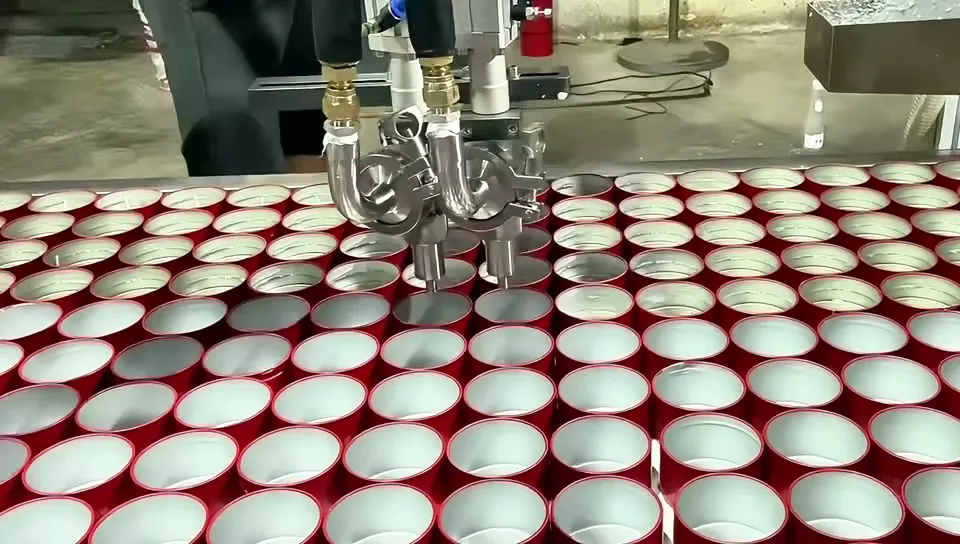
Small round containers pack tightly on a tray, so one pass can fill many. The XY model takes containers 40–100 mm across. Send your cup size to confirm.
Discuss This Application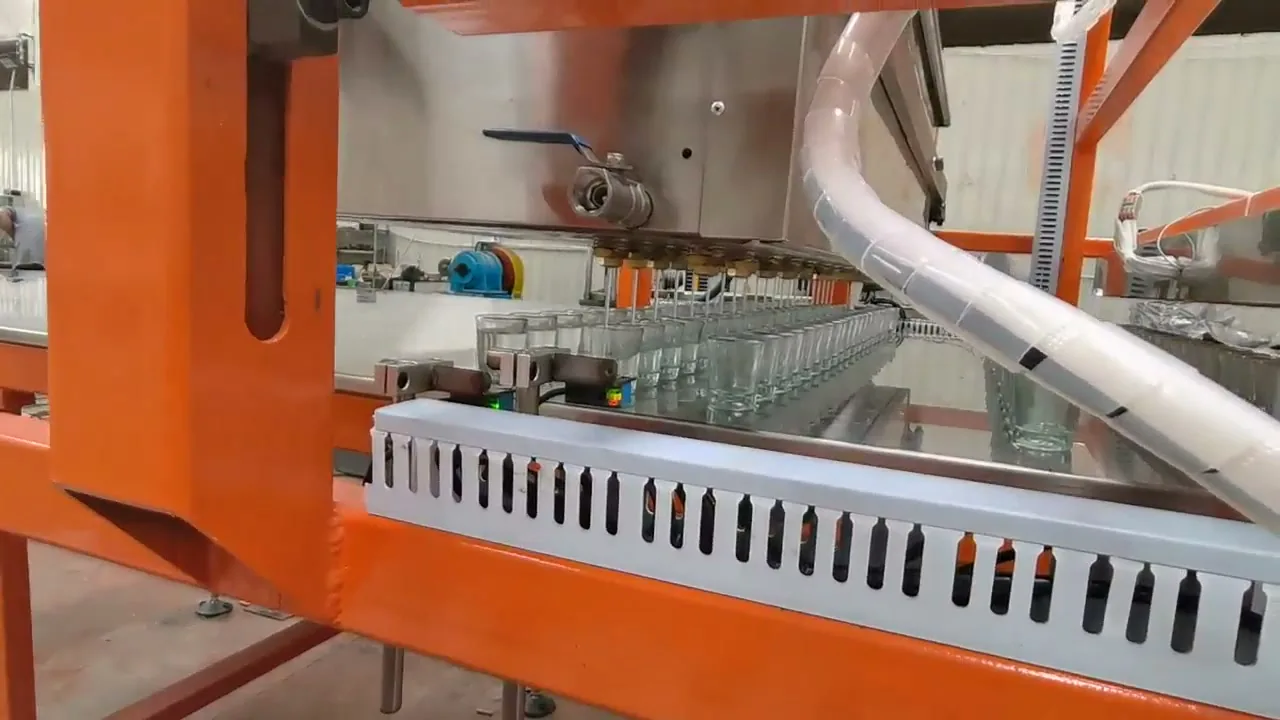
A 13- or 19-hole nozzle bar suits long runs of one container size. Check that the nozzle spacing matches your container spacing.
Discuss This Application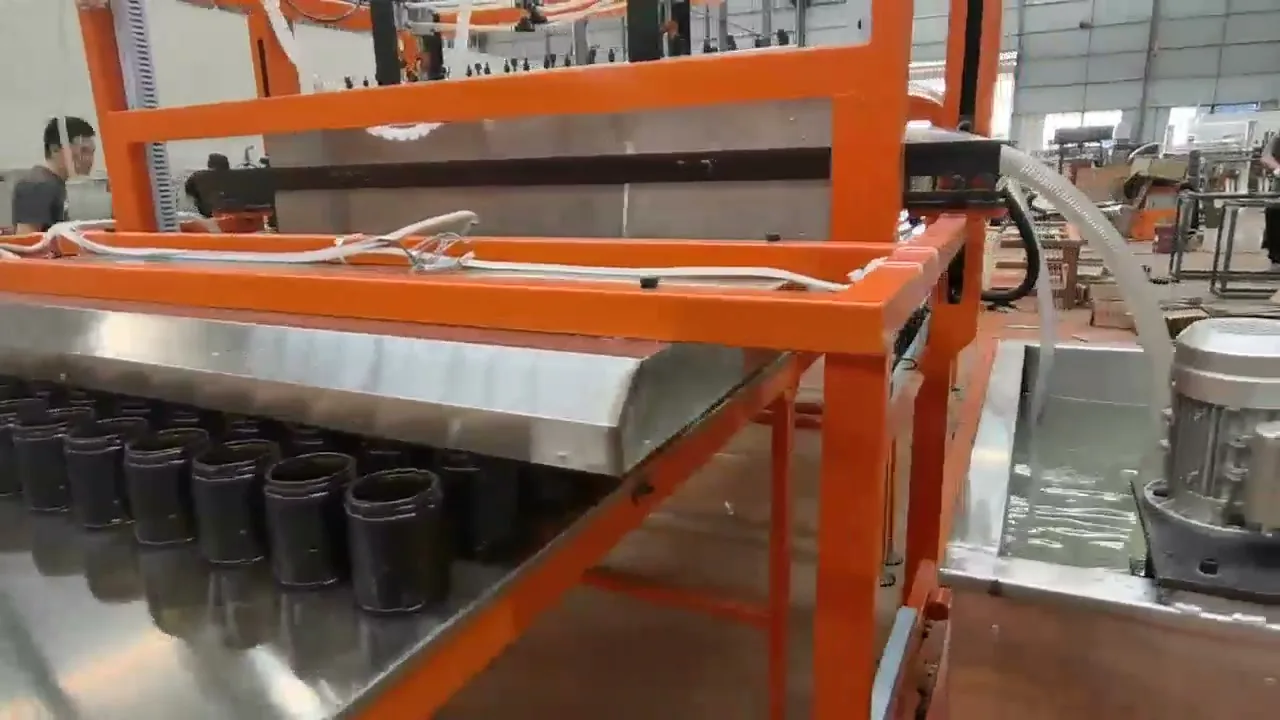
The row-fill model comes with a heated holding pot. Wax melting is a separate step, so plan where the melter and transfer hoses will sit.
Discuss This Application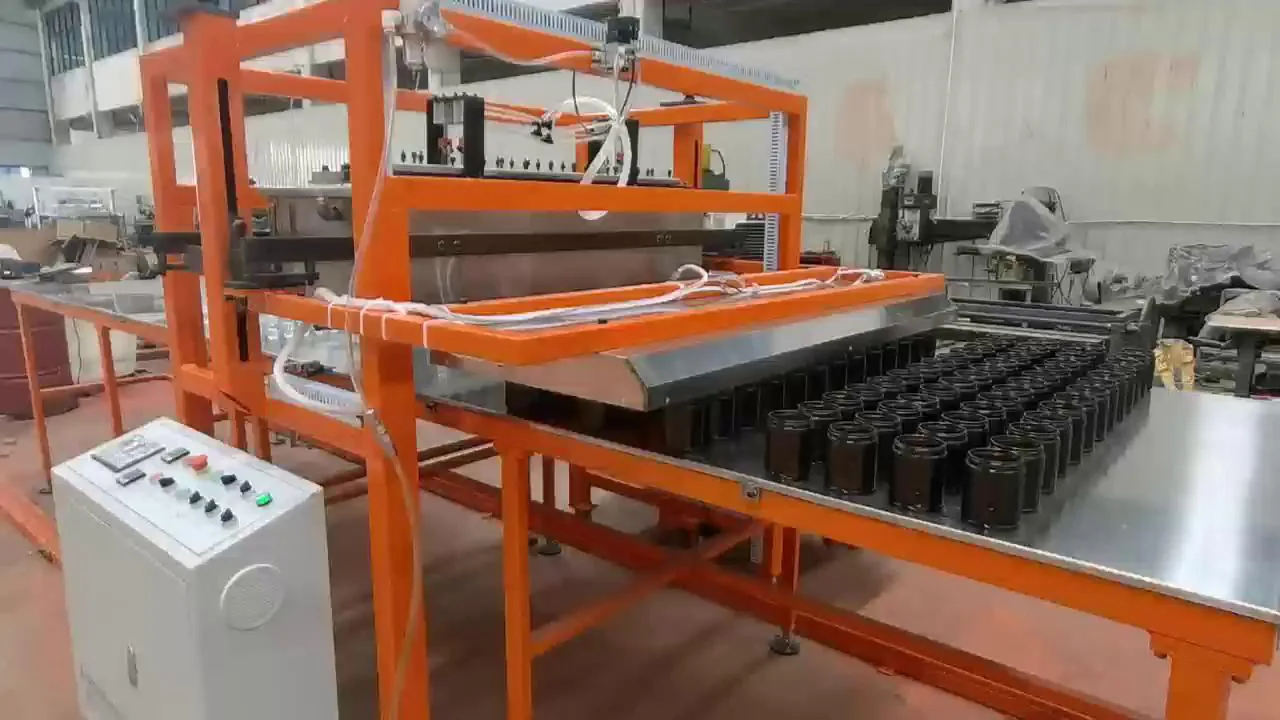
The table is 1,200 mm wide and up to 12 m long. Measure your floor space and tell us the largest jar you will run.
Discuss This ApplicationWhat candle makers ask before they order a filler, and what to check for each.
Write the test method, the pass criteria and what ships with the machine into the quotation.
Discuss Acceptance CriteriaWith these details we can recommend a model and state speed and accuracy for your jars.
Have another material or format?
Share your requirements.
Send your jar, wax and daily volume.
We recommend the XY-gantry or row-fill machine.
Set samples, test method and pass criteria.
Review price, configuration and terms.
Run the agreed checks, then pack and ship.
The standard model handles molten candle wax and other free-flowing liquids and pastes, with heating up to 100 °C. Soy, paraffin, palm and blends pour at different temperatures, so send your wax data sheet. We confirm the heating and nozzle setup before we quote.
Not on its own. The machine controls how much wax goes into each jar and where the nozzle sits. Sinkholes, frosting and bubbles mostly come from the wax blend, pour temperature, jar temperature and cooling. The XY model lets you push a cooled tray back in for a second pour, and a sample run with your wax shows whether you need one.
Possibly. The XY model is rated for water, wax oil and other free-flowing liquids and pastes, including solid fragrance. Send the product’s melting point and thickness at fill temperature, and we confirm whether the machine suits it.
The XY model needs 220 V AC, 50–60 Hz, 2,000 W and 0.5 MPa compressed air. The row-fill model needs three-phase four-wire 380 V, 50 Hz and about 10 kW. Tell us your supply voltage and frequency before we quote so the electrical setup matches your site.
The figures here are for the standard models, and other requirements can be tailored. Send your jar drawings and tray size, and the quotation states what changes and what stays standard.
Tell us the wax and the jar first. Add the rest when you have it.
Send the jar, the wax and your target output. We reply with the model we recommend and the specs we would quote.
Get a Quote