Who Builds Your Wick Centering Machine?
Most of our core machines are made in our own factory. Your quotation names who builds this model, what is built and tested before shipment.
A wick that leans while the wax sets is one of the most common candle faults. A wick centering machine holds each wick straight and in the middle of the jar until the wax firms up.
Request a QuoteView Photos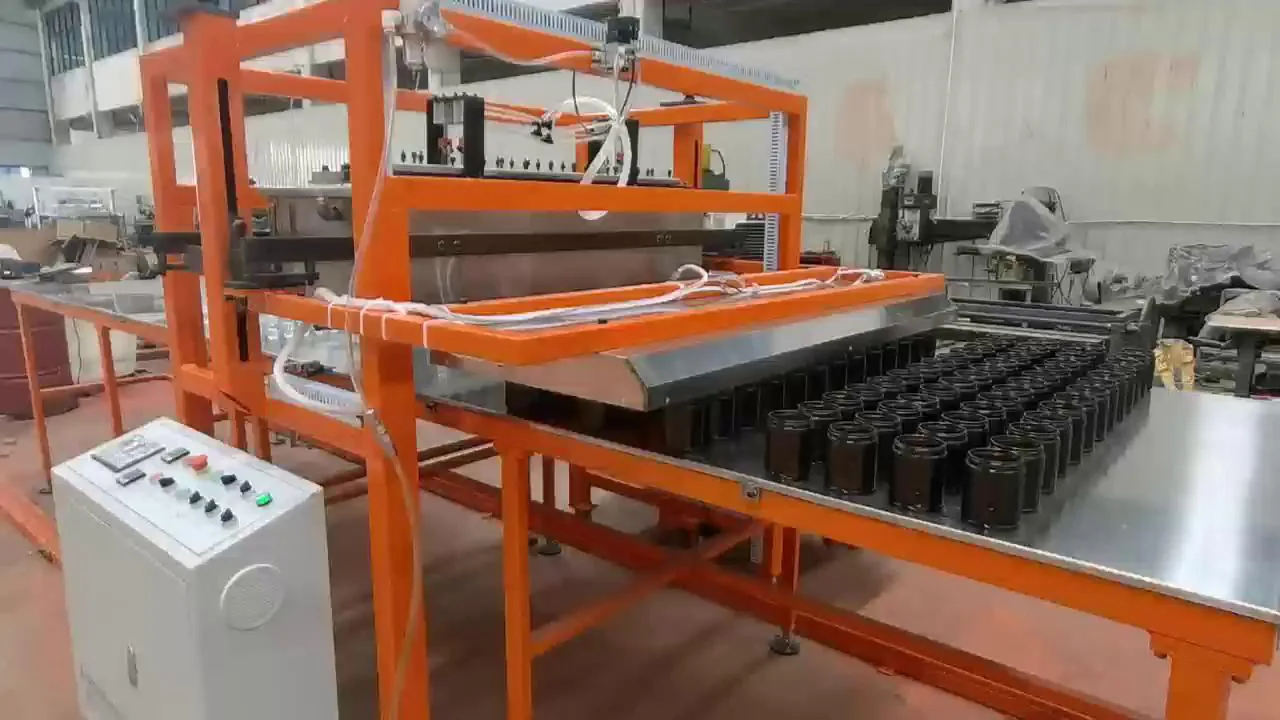
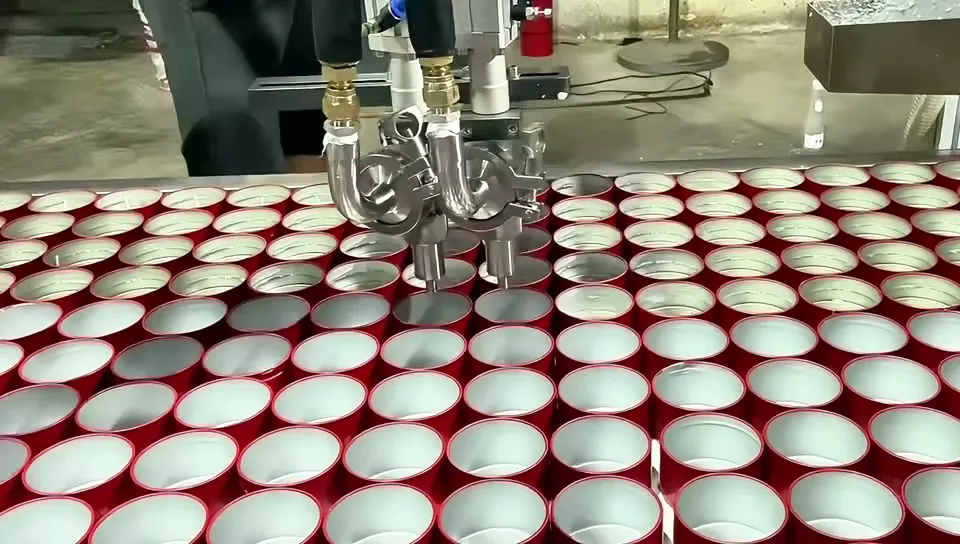
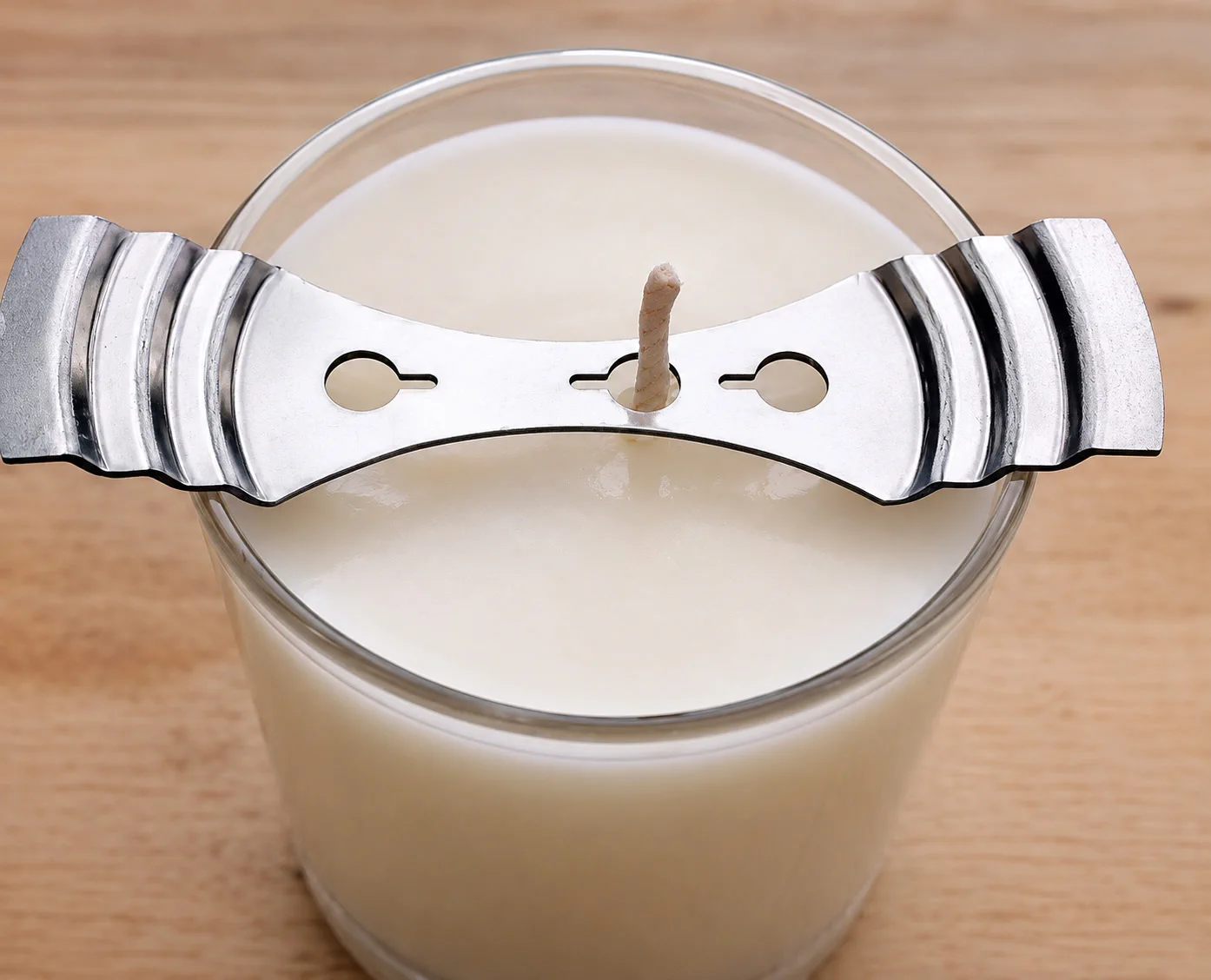
A wick that leans or drifts while the wax is liquid makes a candle burn unevenly. The tab holds the bottom of the wick, but the top end is free. Wax flow, a vibrating conveyor or a knock can push it over before the wax sets. A wick centering machine holds the top of the wick at the jar center, often with light tension, until the wax is firm.
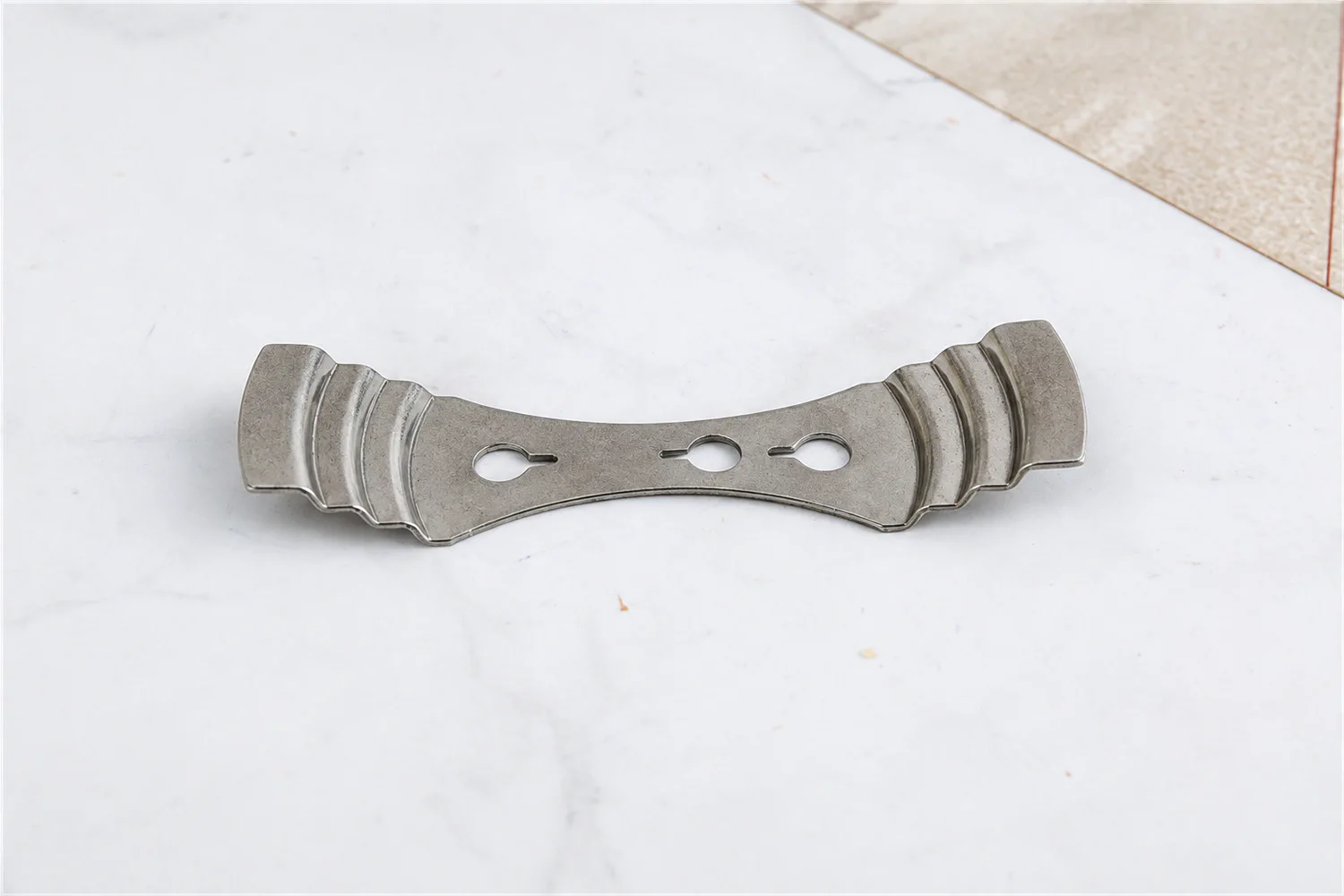
How you hold it depends on the jar rim, the wick and the wax: a bar or clip across the rim, a comb that holds a whole row, or a rack of bars. We quote centering per project and do not publish models yet. Send your jar and wick and we tell you what we would build.
Discuss Your ApplicationThese four decisions shape the quotation.
Most of our core machines are made in our own factory. Your quotation names who builds this model, what is built and tested before shipment.
Clips, bars, combs or tension holds each suit a different rim shape and wick stiffness.
The wick must stay put until the wax around it is firm. Hold time depends on the wax, the jar size and the room.
The tool must grip the wick without touching wax or marking the rim. Send your jar to check.
Send a jar and a wick with its tab. We tell you what we would build and what we still need to know.
The hold goes on after the pour and comes off when the wax is firm. Most of the time in between is cooling.
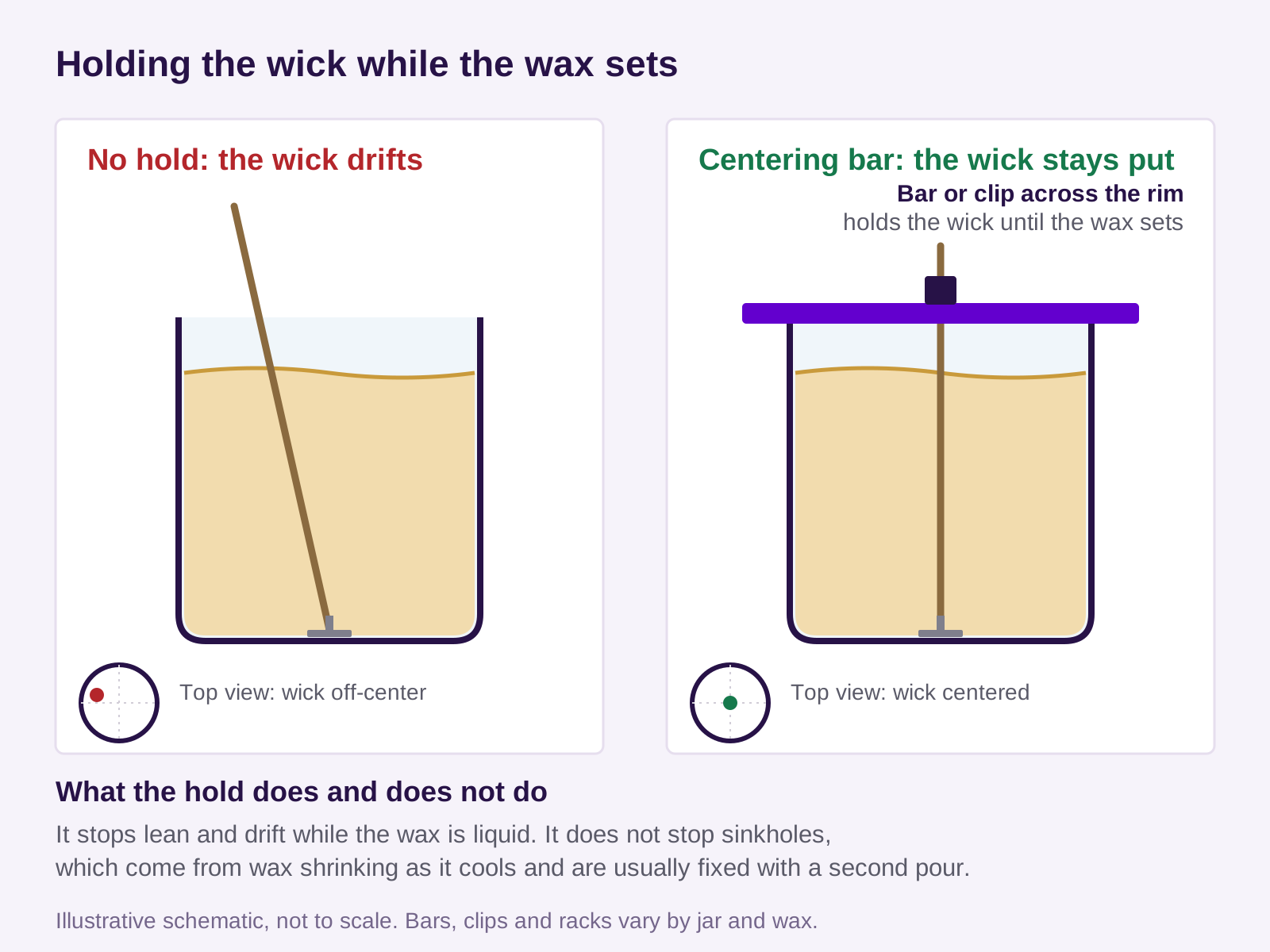
Pick the hold from your rim and your batch size. Many lines mix two of these.
| Method | How It Works | Suits | Watch For |
|---|---|---|---|
| Spring clip | A clip closes on the wick and rests on the rim | Small batches and hand-filled jars | Operator time; grip varies from clip to clip |
| Bar with a hole or notch | A flat bar rests across the rim and the wick passes through a hole or notch at the center | Round jars with a regular rim | The bar must fit your rim width and the hole must suit your wick |
| Comb or multi-slot bar | One bar holds a whole row of wicks at fixed spacing | Row-fill tables and rack lines | Jar spacing must match the slot spacing |
| Light tension hold | The wick is pulled lightly taut and fixed at the top | Wide jars, soft wax and long cooling | Too much pull can lift the tab |
Jars on racks at one moment = jars per hour × hold time in hours. This example uses assumed values; hold time must come from a test on your own wax.
These numbers only show the arithmetic. Hold time depends on the wax, the jar size and the room temperature, so we ask you to time it on your own wax before we size racks.
Write the test method, the pass criteria and what ships with the machine into the quotation.
Discuss Acceptance CriteriaWith these details we can say what we would build for your jar.
Have another material or format?
Share your requirements.
Centering machines are configured per order. These tables list what we confirm.
The core choices that change the machine.
| Parameter | What to Confirm |
|---|---|
| Hold method | Clip, bar or comb across the rim. |
| Tension | Fixed or adjustable pull on the wick. |
| Spacing | How many jars per rack or bar, and the gap between them. |
| Automation | Hand-placed or in-line after the filler. |
| Release | By hand, or by a lift on the rack. |
These details decide the hold.
| Parameter | What We Check |
|---|---|
| Wick type | Flat, cotton or wood wicks hold differently. Stiff wicks need less tension. |
| Stand-up | Enough wick above the rim to grip, without touching the wax surface. |
| Rim | Straight, flared or lipped rims change how a bar sits. |
| Wax | Soft waxes stay liquid longer and need a longer hold than hard waxes. |
| Diameter | Wide jars give a wick more room to lean than narrow ones. |
Centering happens after the filler.
| Parameter | What We Check |
|---|---|
| Footprint | Rack size and the path to cooling. |
| Cooling | Where jars sit while the wax sets, and the room temperature there. |
| Handling | How racks are moved without jolting the jars. |
| Operator | Where the person stands and how bars are placed and removed. |
Judge the finished candle, not the machine.
| Parameter | What We Check |
|---|---|
| Offset | Measure wick position from the jar center on a sample batch. |
| Straightness | Look from the side for lean. |
| Surface | Check for a dip or crack around the wick. |
| Burn | Light sample candles and watch the melt pool. |
Hold time sets how many racks you need.
| Parameter | What We Check |
|---|---|
| Racks | Jars per hour times hold time in hours gives the jars on racks at once. |
| Hold time | Set it with a test on your own wax, at your pour temperature. |
| Handling | Loading and removing racks takes operator time. |
Centering equipment next to wick inserting, hand clips and wick stickers.
| This EquipmentWick Centering Machine | Wick Inserting | Hand Clips | Wick Stickers Only | |
|---|---|---|---|---|
| What it does | Holds wick centered while wax sets | Places wick before pouring | Operator clips each wick | Fixes the base only |
| Holds during cooling | Yes | No | Yes | No |
| Labor | Low | Low | High | None |
| Best for | Wide jars or soft wax | Placing the wick at the base | Small batches | Narrow jars |
| Check first | Rim access and hold time | Base adhesion | Repeatability | Wick lean in wide jars |
Four places where centering earns its place.
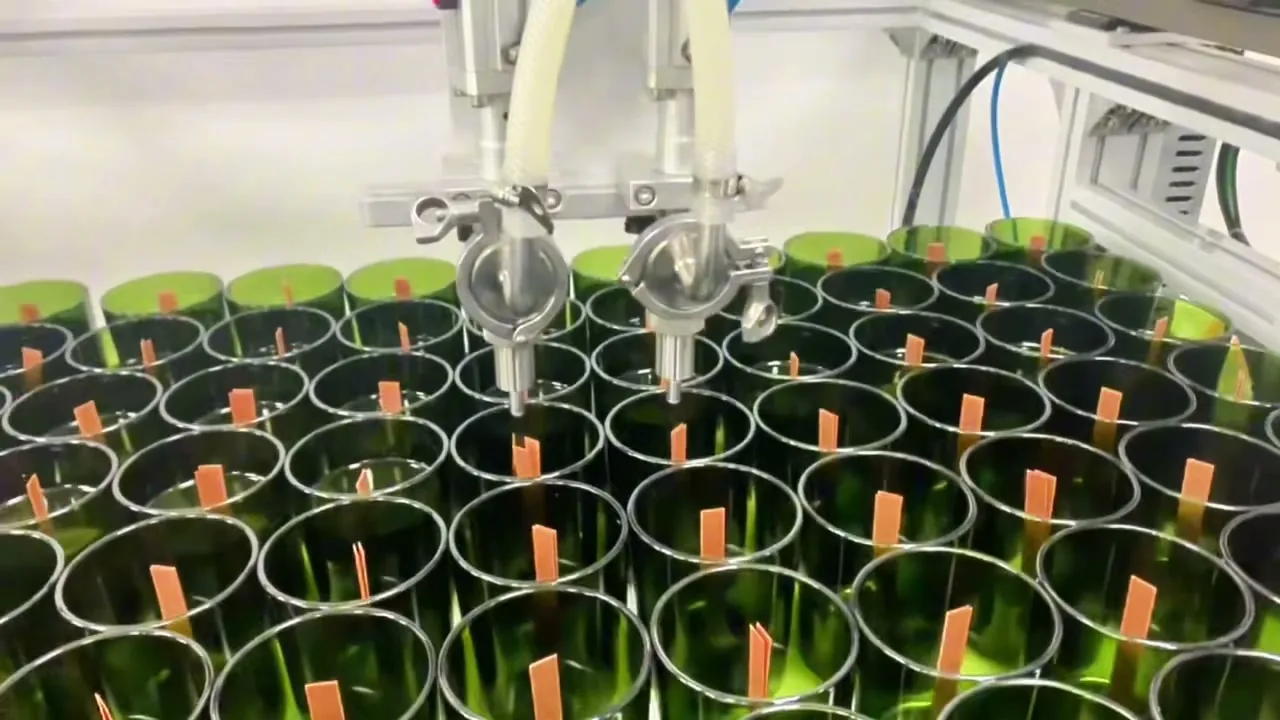
A wide jar gives the wick more room to lean. Send your jar diameter and wick height.
Discuss This ApplicationSoft waxes stay liquid longer, so the wick needs holding longer. A timed test shows how long.
Discuss This Application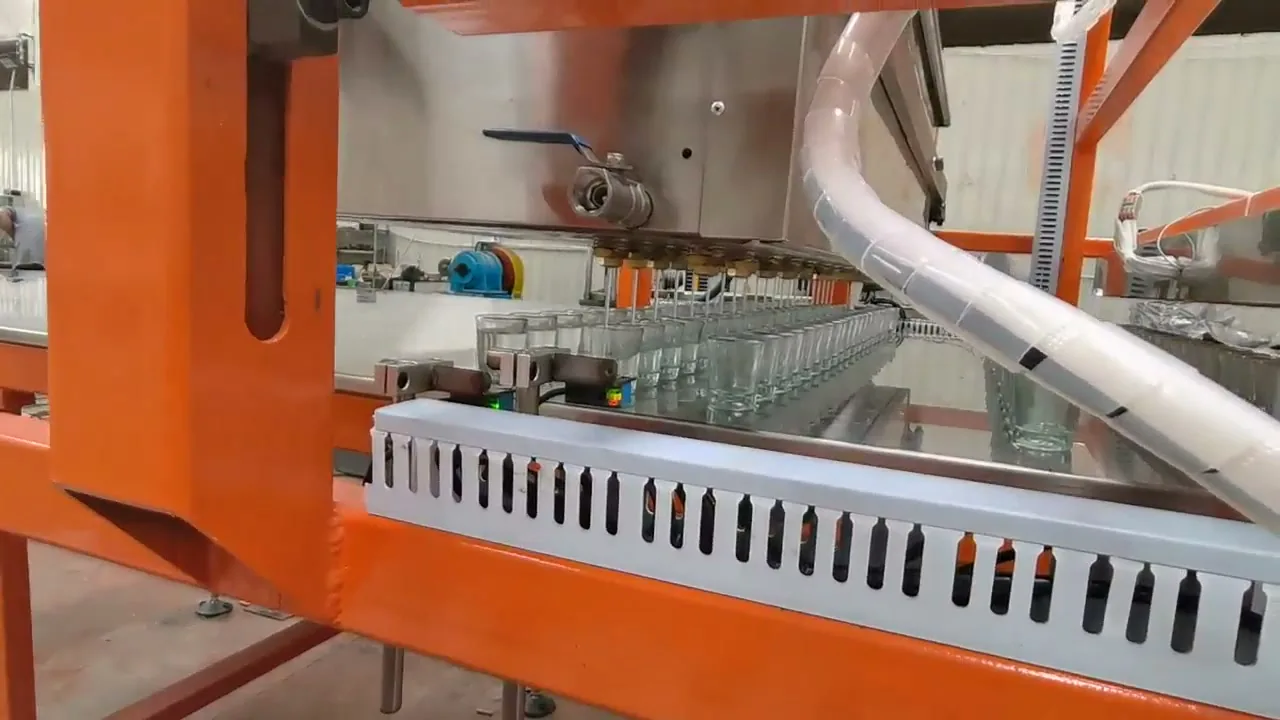
On a row-fill table, one bar across the rims can hold a whole row. Check the rim spacing.
Discuss This ApplicationPlan how racks leave the filler and where they cool, so jars are not jolted while the wax is liquid.
Discuss This ApplicationWhat candle makers ask about centering before they order.
Send a jar, a wick and your jars per hour.
We describe the centering setup we would build.
Agree a hold test and how offset is judged.
Review the price, the wick centering machine configuration and terms.
Run the checks you agreed on the wick centering machine, then pack and ship.
For narrow jars, often not. For wide jars or soft wax, the top of the wick can still lean while the wax flows and cools. A hold at the top prevents it.
Not yet. We quote centering per jar and wick. Send samples and we tell you what we would build.
Until the wax around the wick is firm enough that the wick stands on its own. That depends on the wax, jar size and room temperature, so time it on a test batch. We size racks from your result, not from a guess.
Often yes, if the rim spacing is regular. We confirm it against your jar.
No. It keeps the wick in place. Sinkholes come from wax shrinking as it cools and are usually fixed by a second pour.
Yes. Hotter wax stays liquid longer and flows harder around the wick, so the hold has to last longer. Pouring cooler shortens it. Your wax data sheet gives the pour temperature to start from.
A jar, a wick, wax details, jars per hour and your layout. Photos help.
Tell us the jar and the wick first. Add the rest when you have it.
Send a jar and a wick with your target rate. We reply with what we would build.
Get a Quote