Who Builds Your Automatic Labeling Machine?
Most of our core machines are built in our own factory, and we answer for build quality and delivery under your order terms.
Labeling by hand holds back every line behind it. An automatic labeling machine senses each product on the conveyor and applies the label for you: 30 to 120 a minute, flat, round or double-sided.
Request a QuoteView Photos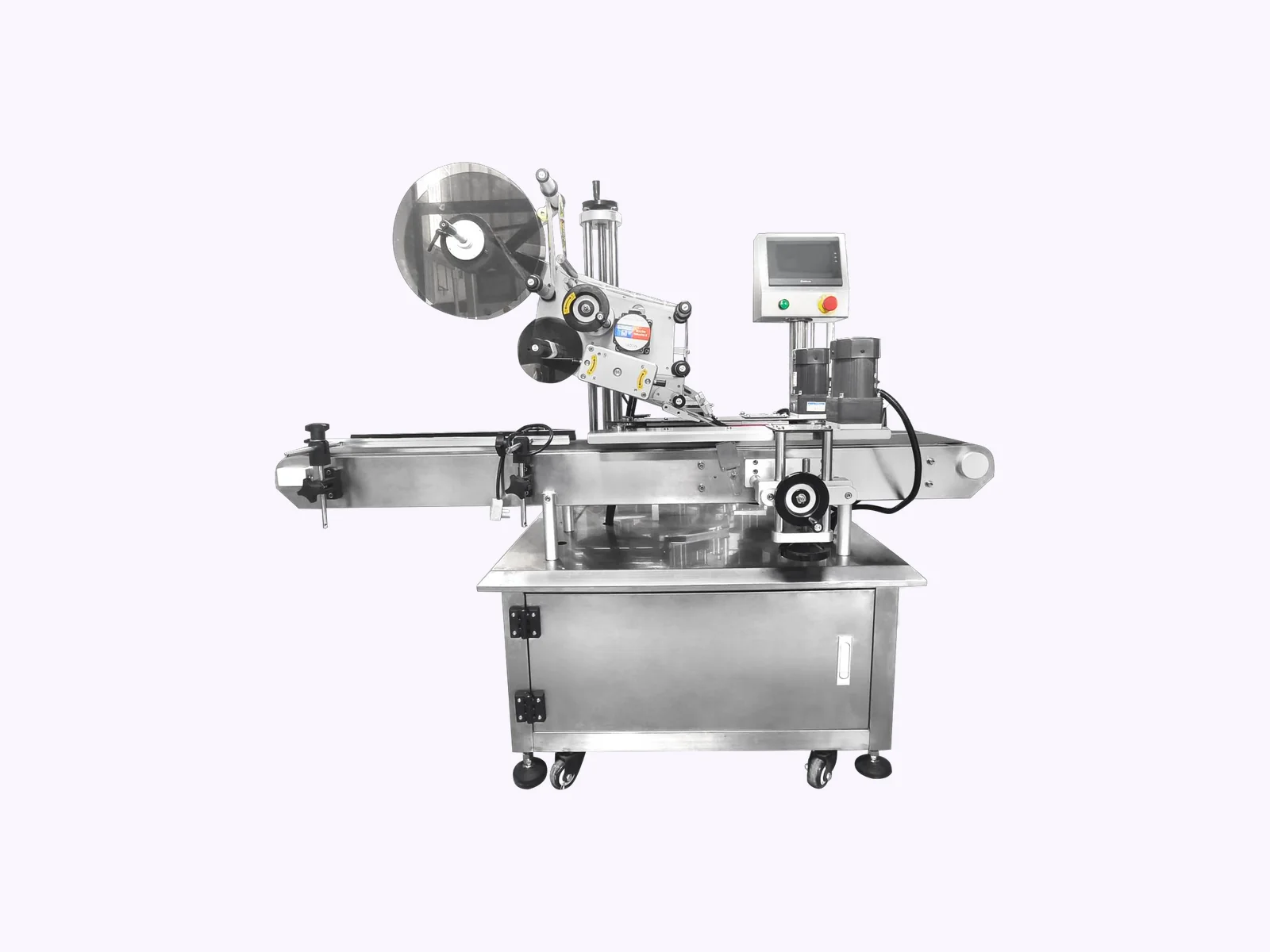
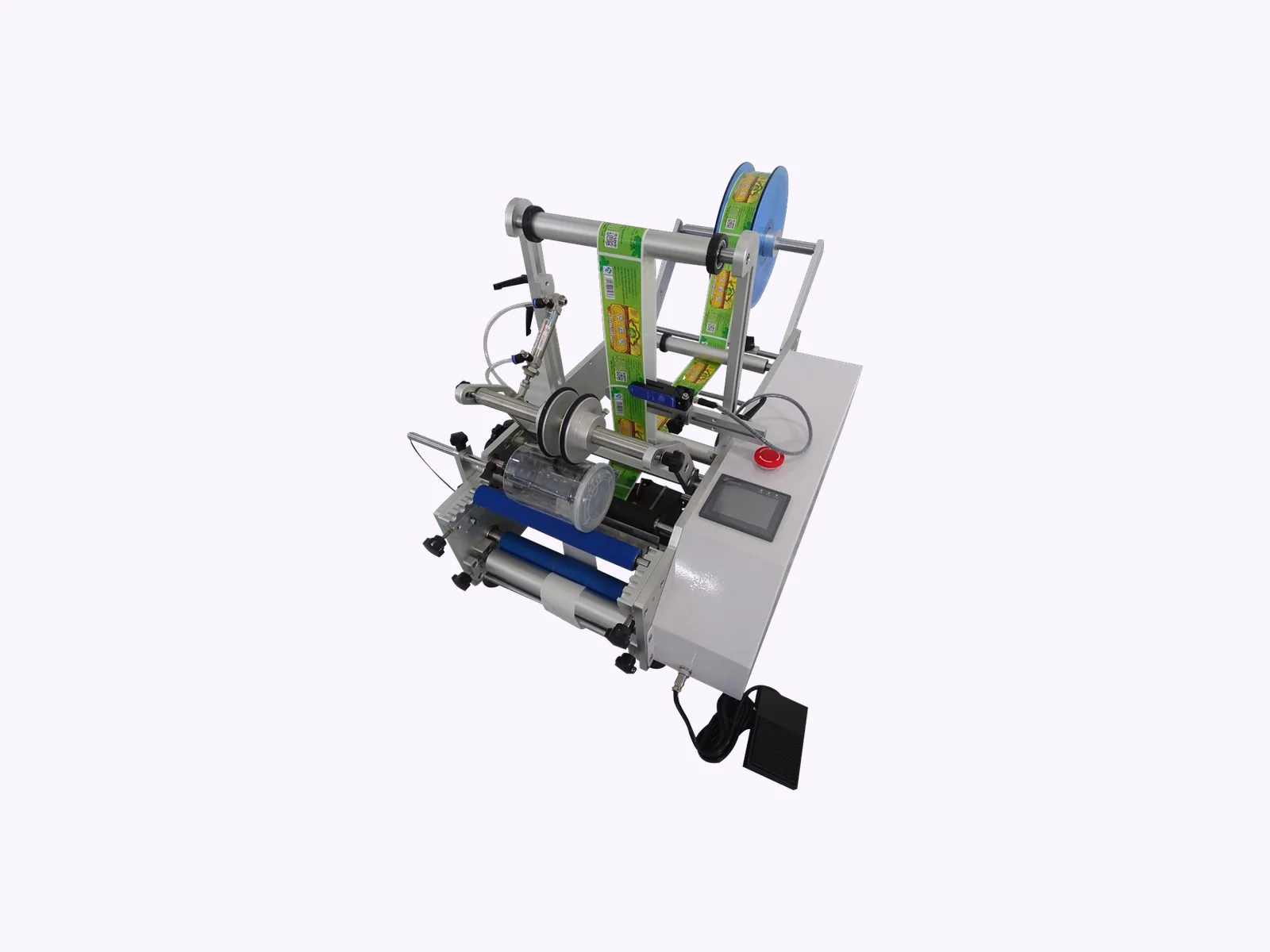
An automatic labeler takes products off a conveyor, senses their position and size, and applies the label without an operator. That is the difference from a bench machine, where a person places every item.
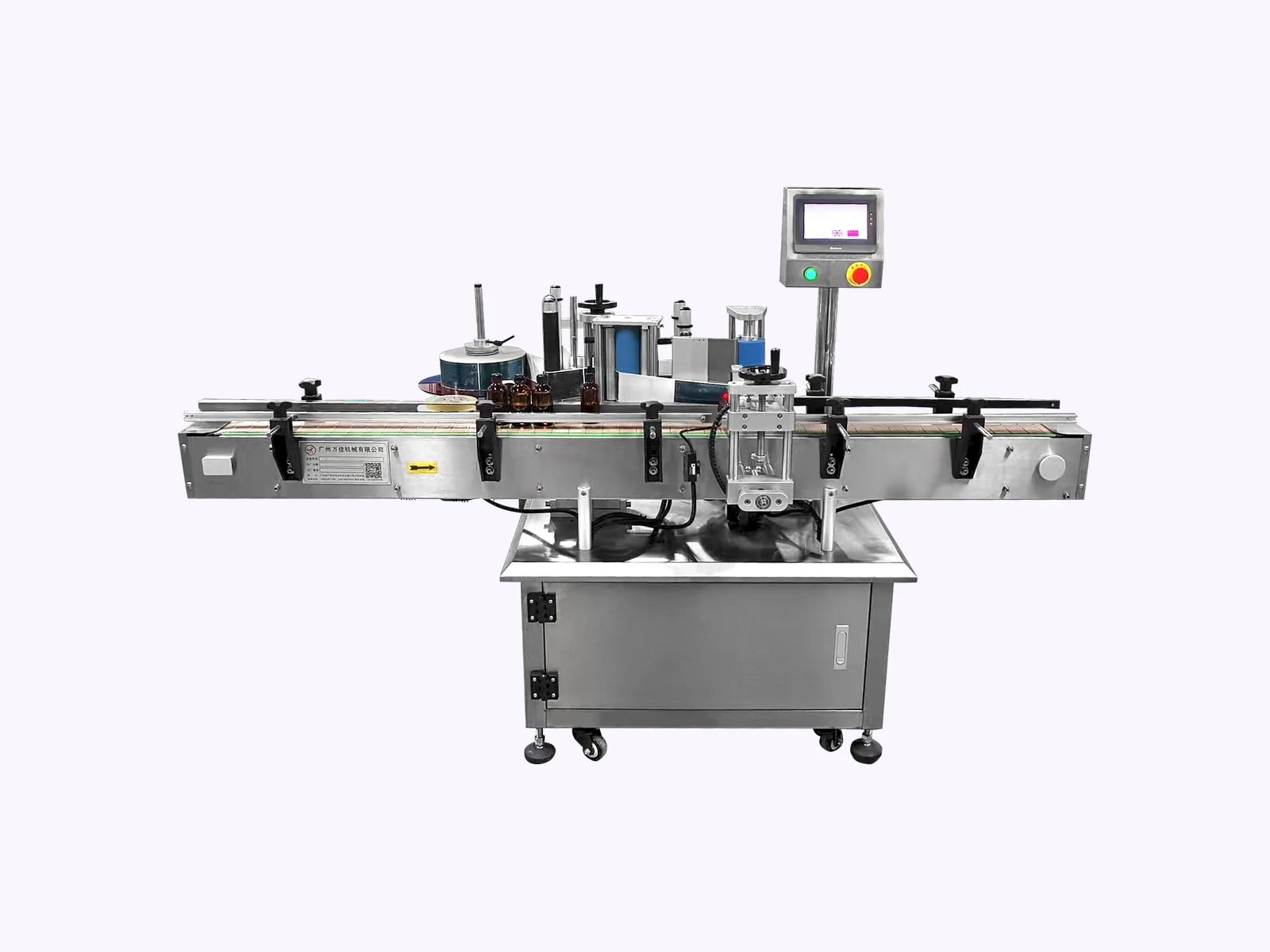
The three models differ in what they label: the flat labeler works on the top of items up to 400 mm long, the round labeler wraps bottles 25–300 mm across, and the double-sided labeler puts labels on both faces of flat, round and square bottles.
Discuss Your ApplicationSend a sample, a container or a photo of what you make. We reply with the machine we would look at first, and what we still need to confirm.
Request a Quote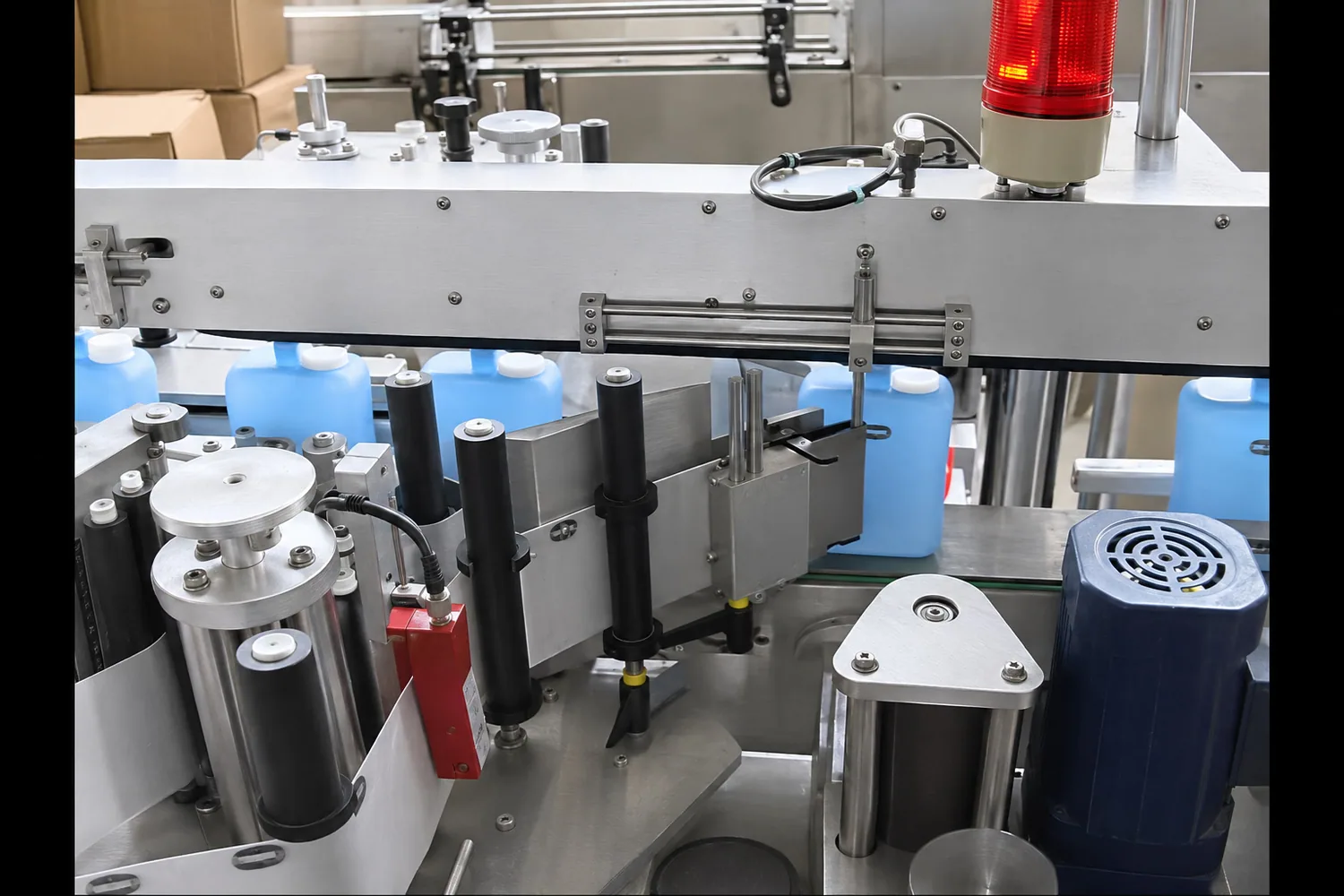
What an automatic labeler changes on a growing line.
Most of our core machines are built in our own factory, and we answer for build quality and delivery under your order terms.
Sensors detect each product and its position, so labels land where you set them.
A conveyor feeds the machine at a steady rate, so output no longer depends on the operator.
The labeler sits after the capper on the same line and keeps the line moving.
Send your capper speed and container. We pick the labeler that keeps up.
Three automatic labelers compared by container shape.
Pick by container shape.
| Parameter | Flat | Round | Double-Sided |
|---|---|---|---|
| Speed | 40–120/min | 40–70/min | 30–120/min |
| Container | Flat items, L 40–400, W 40–200, H 0.2–150 mm | Round, dia 25–300 mm | Flat, round and square; dia 20–120 mm |
| Label length | 6–150 mm | 20–290 mm, to sample | 20–300 mm |
| Backing width | 6–130 mm | To sample | 20–170 mm |
| Power | 220 V / 50 Hz, 2 kW | Air 0.4–0.6 MPa | 220 V / 50 Hz |
| Size (mm) | 1900 × 830 × 1350 | 1950 × 1200 × 1530 | Quoted per order |
Label size sets the head.
| Parameter | What We Check |
|---|---|
| Size | Your label must fall within the label range of the model. |
| Roll | Rolls up to 300 mm outside diameter, with a 76 mm core. |
| Material | Paper, film and clear labels each need a sensor setting. |
| Position | Send a drawing of where the label goes on the container. |
Plan the line.
| Parameter | What We Check |
|---|---|
| Length | The round labeler is about 1.95 m long. |
| Electrical | The flat and double-sided models run on 220 V, 50 Hz. |
| Air | The round labeler needs 0.4–0.6 MPa of compressed air. |
| Height | Match the conveyor to your filler and capper heights. |
| Parameter | What We Check |
|---|---|
| Position | Measure the label offset on 50 pieces. |
| Finish | Look for bubbles and wrinkles. |
| Skew | Check that the label sits square. |
| Stops | Count the stops over a full run. |
Keep pace with your line.
| Parameter | What We Check |
|---|---|
| Speed | Run the labeler at or above your capper speed. |
| Rolls | Larger rolls mean fewer stops. |
| Changeover | Allow time to switch guides and labels. |
The automatic labelers next to a bench machine and hand labeling.
| This EquipmentAutomatic Labeler | Semi-Automatic Labeler | Hand Labeling | Double-Sided Labeler | |
|---|---|---|---|---|
| Feeding | Conveyor | By hand | By hand | Conveyor |
| Speed | 30–120/min | 20–35/min | Slow | 30–120/min |
| Placement | ±1 mm | ±0.5 mm | Varies | ±1 mm |
| Best for | Steady lines | Small batches | Samples | Front and back labels |
| Check first | Container shape | Label size | Consistency | Backing width |
Four automatic labeling jobs.
Up to 120 a minute on items from 40 to 400 mm long.
Discuss This ApplicationWrap-around labels on bottles 25–300 mm across, single or double.
Discuss This Application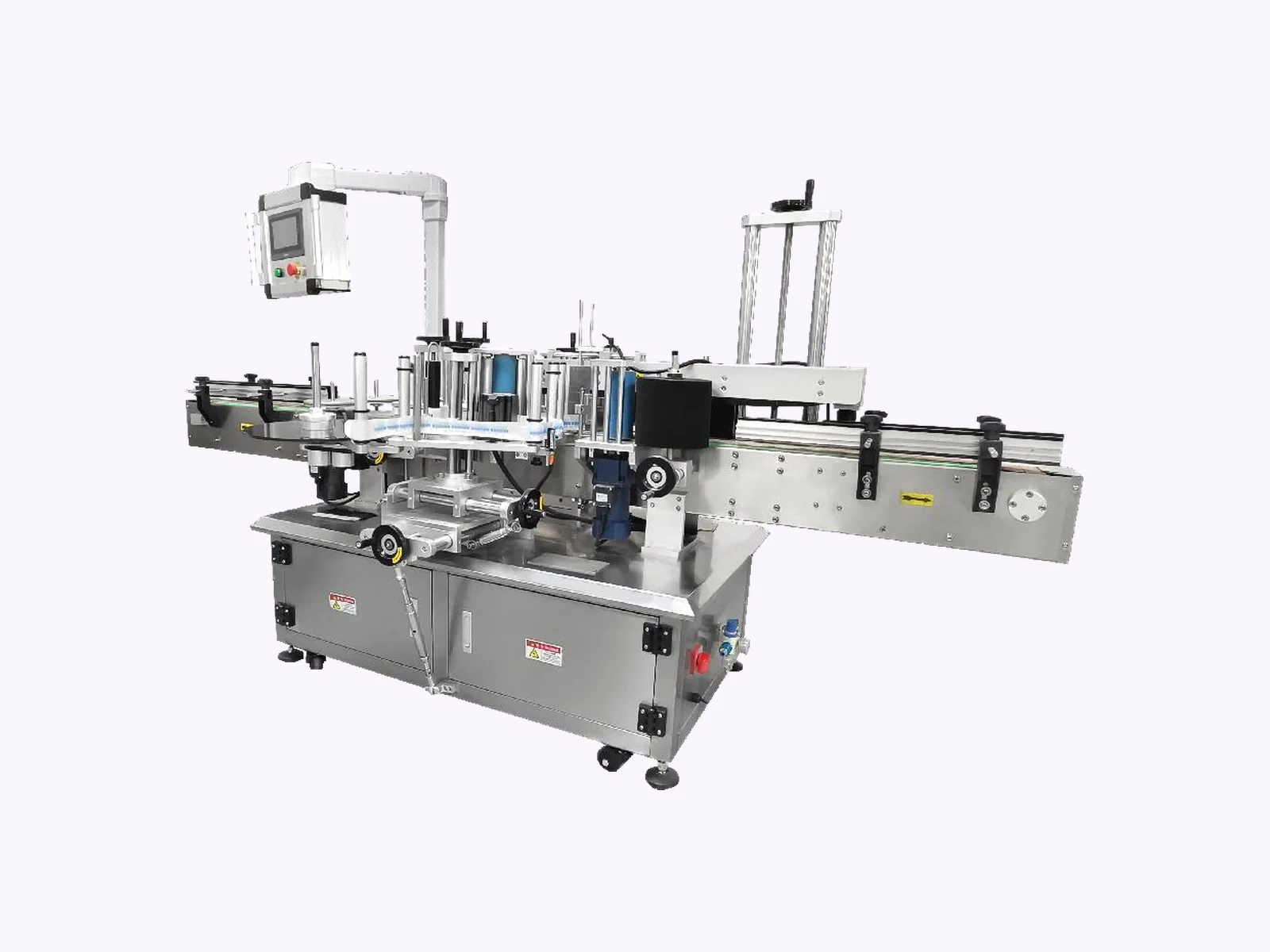
Labels on both faces of flat, round and square bottles.
Discuss This Application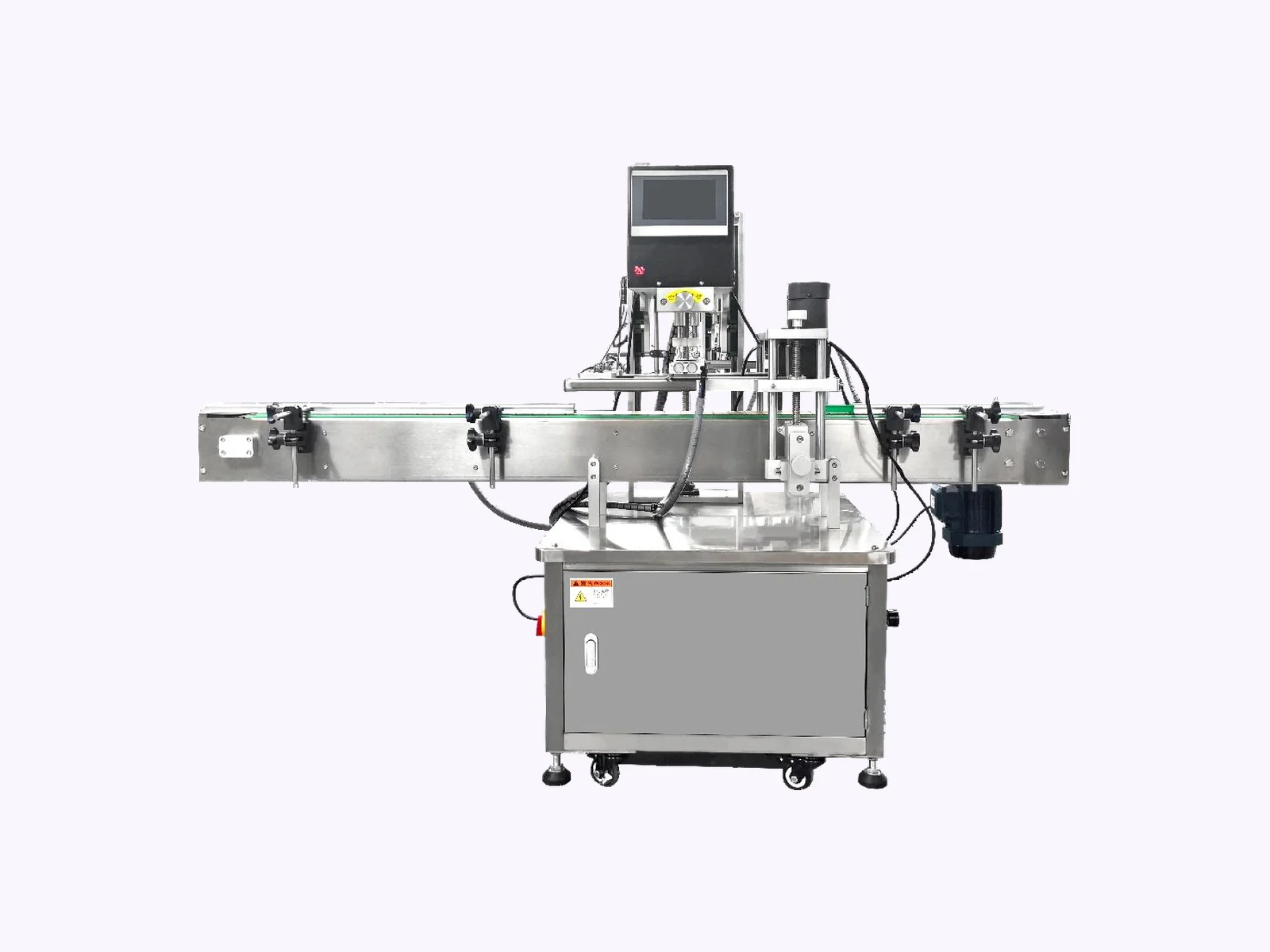
Share the conveyor so bottles flow from filler to capper to labeler.
Discuss This ApplicationWhat goes wrong at line speed.
Write the test method, the placement tolerance and what ships with the machine into the quotation.
Discuss Acceptance CriteriaWith these details we can pick the right automatic labeler.
Have another material or format?
Share your requirements.
Send your container, label and line speed.
We pick the flat, round or double-sided labeler.
Agree a run test with placement checks.
Review the price, the automatic labeling machine configuration and terms.
Run the checks you agreed on the automatic labeling machine, then pack and ship.
The flat labeler runs 40–120 a minute, the round labeler 40–70 and the double-sided labeler 30–120.
The round labeler wraps around bottles. For flat or square sides, use the flat or double-sided model.
The label position can vary by up to 1 mm from the target. Check that your design tolerates it.
Within each machine’s range. You change guides and settings per size.
The round labeler needs 0.4–0.6 MPa. Tell us what you have.
Tell us the container and the line speed first. Add the rest when you have it.
Send the container, label and your capper speed. We reply with the labeler we recommend.
Get a Quote